
Machined parts ship within 7-15 days. Order your metal machined parts today!


-
-
-
-
Blog Explore our facilities, technology, processes, and more.

-
Products Rigorous quality management processes ensure part consistency.
-
Quality Assurance See how companies used 3ERP services to solve challenges and speed up development.
-
Materials Browse a variety of metal materials to meet your project needs.
-
Manufacturing Guides Explore various manufacturing guidelines and reports.
Resources
-
3D Forging for Complex Metal Parts
LCW has been deeply cultivated in the metal forming field for over twenty years, focusing on manufacturing high-performance metal parts with complex three-dimensional geometric shapes through 3D forging technology. We employ advanced multi-directional die pressing processes and precision metal flow control technology, with a senior engineering team precisely regulating forming paths and deformation parameters. We provide you with a full-process near-net shaping solution from three-dimensional structural optimization to finished product delivery. Welcome to submit your 3D product data to obtain professional forming analysis and customized process quotes.
- 20 years of experience in forging complex components
- Equipped with various die forging and 3D forging equipment
- Three-dimensional forming precision can reach ±0.1mm
- ISO9001 & IATF16949 Quality System Certified
- Provides full-process solutions from 3D forging forming to precision machining
- One-stop manufacturing solution for complex forged components
Get 3D Forged Parts Quotation

The information you provide is strictly confidential and secure
ISO
9001:2015 Certified
40+
Forging Equipment
5000+
Global partners
10,000+
3D Forged Parts Produced Monthly
Our Metal 3D Forging Processes
LCW adopts advanced forging processes, focusing on providing customers with various custom forged components that are high-precision, structurally complex, and stable in performance. We offer integrated solutions from forging forming to finished product processing at competitive prices, ensuring efficient response to your diverse needs.
3D Forging
20+ years 3D forging experience
Full-process product QC
Experienced engineering team
Small-batch multi-category processing
Metal 3D Printing
Aerospace-grade quality
Comprehensive first-article inspection
Fast prototyping cycle
One-on-one engineering service
Plastic 3D Printing
Full process coverage
Professional selection schemes
Fast delivery cycle
Diverse surface treatments
From Prototype Design to Manufacturing
LCW is your trusted partner for one-stop custom forging, offering full-process 3D forging services from concept design to mass production. Relying on rich 3D forging experience, mature process plans, efficient production workflows, and a professional engineering team, we are dedicated to helping you transform design concepts into high-quality finished 3D forged parts.
3D Forged Prototype Development
Professional 3D forging technical team
Rapid process analysis & quote
Competitive pricing
5-7 day rapid prototype delivery
Small Batch 3D Forging Production
Flexible production scheduling
100% quality inspection guarantee
Free 3D forging process analysis
Advanced 3D forging equipment support
Mass 3D Forging Manufacturing
Cost advantages of scale
Stable quality consistency
Comprehensive first-article inspection
Serving 5000+ global clients
Why Choose Us for 3D Forging Services
LCW focuses on 3D forging technology for complex metal components, providing full-process solutions from three-dimensional near-net shaping to precision machining. We are committed to creating complex 3D forgings with excellent mechanical properties, outstanding structural integrity, and precise dimensional control for customers through advanced multi-directional die pressing processes.
Professional 3D Forging Technical Strength
Advanced 3D Forming Equipment System
Personalized 3D Process Customization
Comprehensive 3D Quality Assurance System
Four Steps to Work With Us
LCW leverages deep industry accumulation to provide professional and efficient solutions for rapid prototyping and small-batch production. We break down the innovation process into four clear, efficient stages to ensure smooth project progression from concept to finished product.
Upload your design
Analysis and quotation
Put into production
Quality Inspection and Shipping
Core Advantages of Our 3D Forging Services
LCW has been deeply cultivated in 3D forging technology for twenty years, establishing a complete digital manufacturing system. Relying on core multi-directional die pressing technology, we precisely control 3D metal flow to ensure complex components obtain excellent mechanical properties and structural integrity. Through intelligent process systems and 3D inspection technology, we provide high-performance 3D forging solutions for aerospace and high-end equipment fields.
Comprehensive Material Performance Improvement
Fully Guaranteed Structural Integrity
Flexible and Efficient Production System
Deep Professional Material Application
Strict Full-Process Quality Control
Continuous Optimization of Comprehensive Value
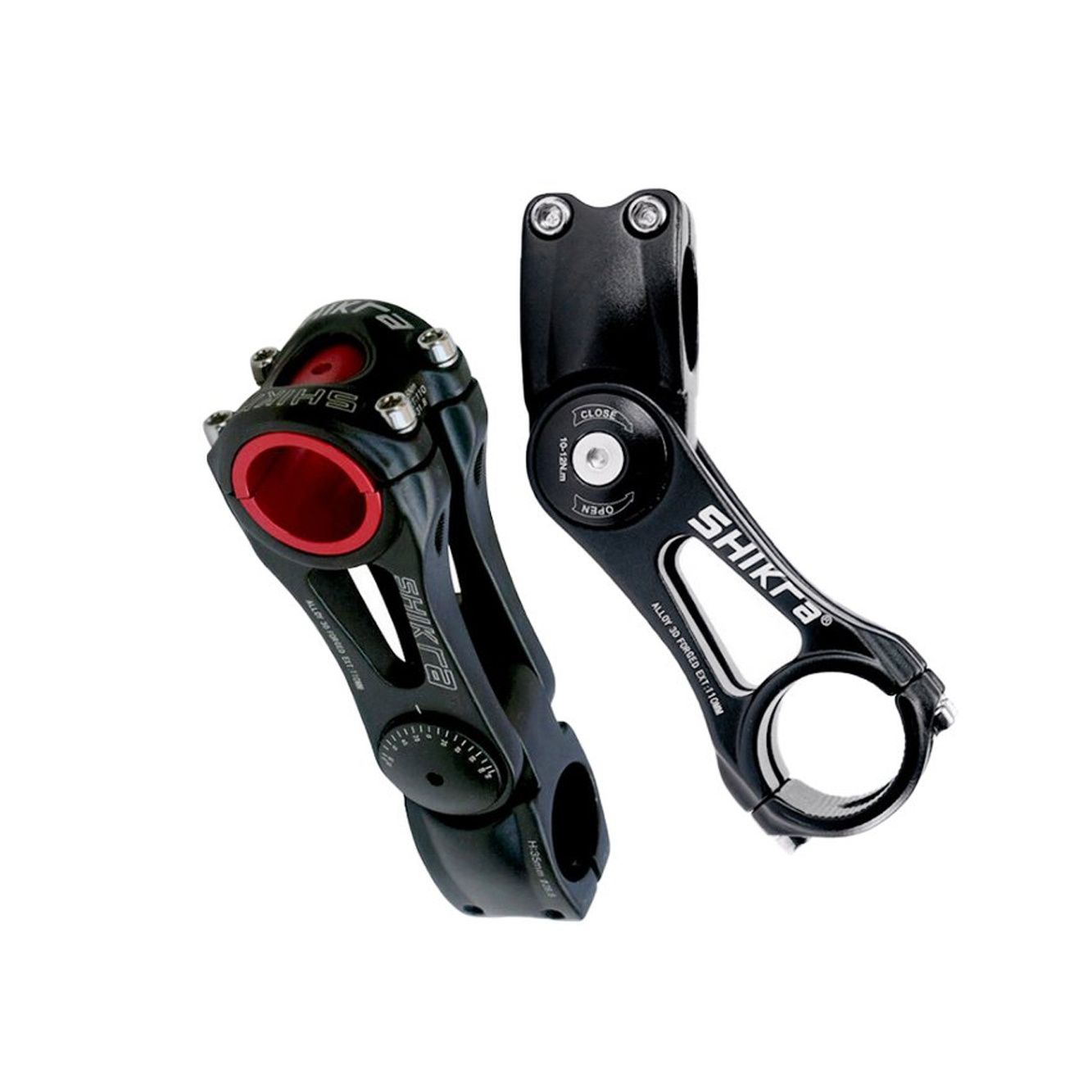
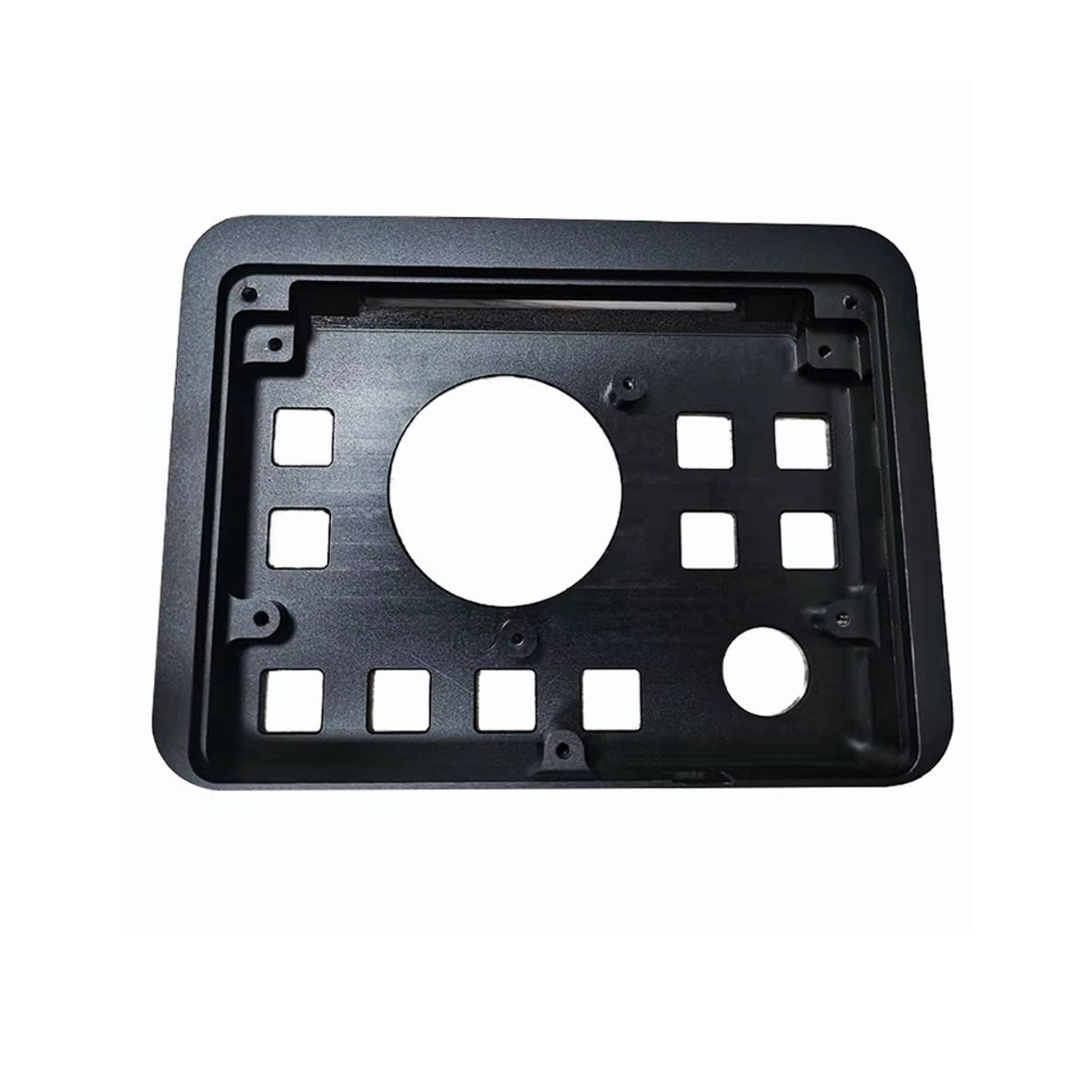
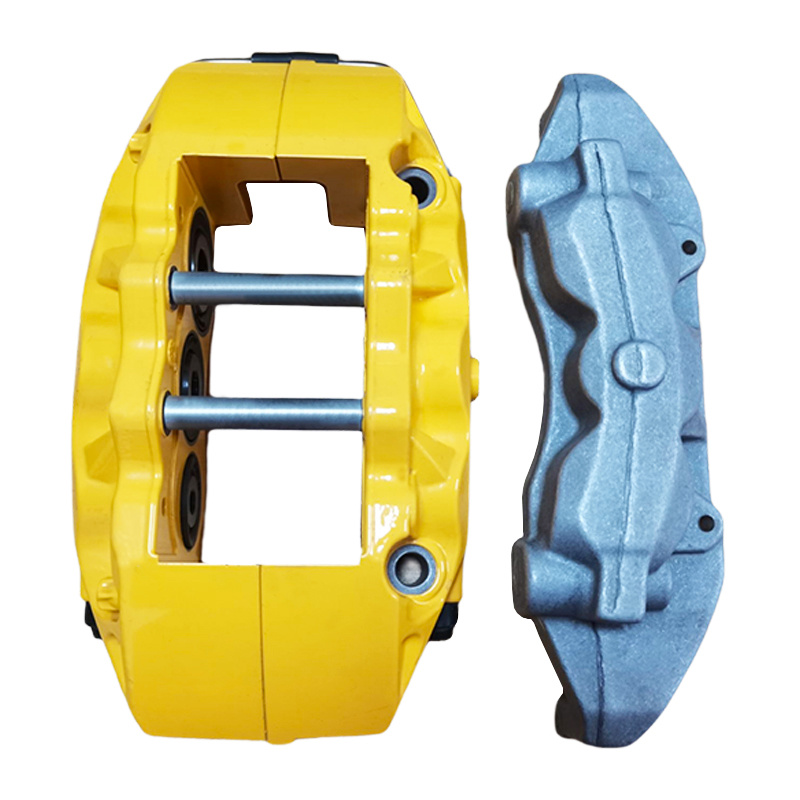
Custom 3D Forged Parts Display
Welcome to browse our classic 3D forging cases accumulated over 20 years. These cases demonstrate the high-precision components and prototype samples we have manufactured for leading customers in various industries.




3D Forging Tolerances and Standards
LCW has focused on 3D forging technology for 20 years, possessing complete capabilities from prototype development to mass production. We adopt multi-directional die pressing processes to achieve ±0.1mm precision tolerances, ensuring components possess isotropic excellent properties and fully comply with aerospace-grade quality standards.
|
Parameter |
Specification |
|
Material Thickness Range |
0.5mm~180mm |
|
Max 3D Forging Size |
400mm*400mm*150mm |
|
Weight Range |
1~20kg |
|
Dimensional Tolerance |
±0.05mm~0.3mm |
|
Equipment Closing Force |
50~4000Tons |
|
Batch Capability |
10 ~ 20,000 pieces |
|
Heat Treatment |
T4, T5, T6 full series heat treatment |
|
Secondary Processing |
One-stop solutions: CNC machining, surface treatment, etc. |
3D Forging Materials
LCW, as a professional 3D forging company, leverages multi-directional die pressing and digital forming technologies to provide customers with high-precision customized forging solutions. Through advanced 3D forging equipment, we achieve near-net-shape forming of complex components, meeting the comprehensive requirements for complex structures, lightweight design, and high performance in fields such as aerospace and high-end equipment manufacturing.
Aluminum
Materials: 1060, 1050, 1100
Lead Time: Approx. 7–10 working days
Tolerance: ±0.1mm
Max Size: Generally up to 400×400×150mm (depending on mold)
Post-Processing: Heat treatment, shot blasting, CNC machining, anodizing, sandblasting
Aluminum Alloy
Materials: 7075, 7050, 6061, 6082, 6063
Lead Time: 7-10 working days
Tolerance: ±0.1mm
Max Size: Generally up to 400×400×150mm (depending on mold)
Post-Processing: Heat treatment, shot blasting, CNC machining, anodizing, sandblasting, spraying
Copper
Materials: H70,H80,H90,C2600,C2680
Lead Time: Approx. 10 working days
Tolerance: ±0.5mm
Max Size: Generally up to 400×400×150mm (depending on mold)
Post-Processing: Annealing, shot blasting, machining, polishing, electroplating, passivation
Brass
Materials: H62, H65,H68, H90, C2700,C5210
Lead Time: Approx. 10 working days
Tolerance: ±0.4mm
Max Size: Generally up to 400×400×150mm (depending on mold)
Post-Processing: Annealing, sandblasting, polishing, machining, oxidation treatment
Surface Treatments for 3D Forging
LCW relies on advanced 3D forging processes to provide professional surface treatment solutions for forgings with complex structures. Through precision machining and surface treatment technology, we significantly enhance the product's corrosion resistance, wear resistance, fatigue strength, and aesthetics while maintaining the structural integrity of the 3D forging.
Anodizing
Applicable Material: Aluminum alloy 3D forgings
Effect: Significantly increased surface hardness, multiple colors available
Core Advantages: Enhanced corrosion resistance, improved wear performance, maintains complex structural integrity
Typical Applications: Aerospace 3D forgings, automotive complex structural parts, precision sports equipment
Shot Blasting
Applicable Material: Various metal 3D forgings
Effect: Uniform surface texture, good cleanliness
Core Advantages: Improved fatigue strength, enhanced wear resistance, improved coating adhesion
Typical Applications: Engine 3D forgings, complex transmission system parts, precision mechanical components
Blackening (Black Oxide)
Applicable Material: Aluminum-type 3D forgings
Effect: Deep black appearance, uniform film layer
Core Advantages: Excellent rust prevention, reduced friction coefficient, maintains complex structural integrity
Typical Applications: Precision transmission 3D parts, complex hydraulic elements, fixtures
Electroplating
Applicable Material: Various metal 3D forgings
Effect: Uniform and dense coating, lasting metallic luster
Core Advantages: Excellent corrosion resistance, increased surface hardness, extended service life
Typical Applications: Automotive complex structural parts, marine engineering equipment, chemical equipment components
Spraying
Applicable Material: Various metal 3D forgings
Effect: Uniform and smooth coating, rich colors
Core Advantages: Long-term corrosion protection, excellent weather resistance, beautiful appearance
Typical Applications: Complex engineering machinery parts, architectural structural parts, outdoor equipment
Application of 3D Forging
LCW leverages leading 3D forging technology to provide precision forming solutions for complex structural parts to global customers. Using multi-directional forging and near-net shaping processes, we have successfully applied these to aerospace, high-end automotive, and precision medical device fields, winning widespread recognition in the international market for excellent process stability.
Providing tight-tolerance metal housings and intricate internal parts.
Creating robust gear and structural components designed to withstand extreme environmental conditions.
Machining specialized metallic parts essential for advanced battery brackets and power systems.
Forging and machining complex components that drive efficiency in industrial automation.
Supplying heavy-duty, wear-resistant metal parts for rigorous industrial machinery applications.
Customer Testimonials
LCW has over twenty years of professional experience in the 3D forging field, with a service network covering major industrial countries. We believe real customer feedback is the best standard for testing our professional capabilities.
Ryan Mitchell
E-scooter Components Technical Director
The electric scooter aluminum alloy wheel hub 3D forging solution provided by LCW showed excellent craftsmanship. They performed outstandingly in the single-step forming technology for complex hub structures, ensuring the product achieved ideal mechanical properties and lightweight effects through multi-directional forging and precise mold design. Their engineering team showed excellent structural design capabilities when dealing with the challenge of spoke structure optimization.
Sophia Chen
Electric Vehicle Production Manager
LCW demonstrated professional technical strength in the 3D forging of electric vehicle battery system aluminum alloy trays. They have a deep understanding of the integral forming process for the overall structure of battery trays, ensuring effective lightweighting while guaranteeing structural strength through reasonable streamline design and professional forming control. Their production team showed excellent coordination capabilities for urgent delivery needs.
Daniel Wright
EV Motor Components Engineering Lead
The EV motor housing 3D forging plan provided by LCW was impressive. They showed rich experience in the integral forming process of complex cooling channels, significantly improving heat dissipation performance and structural integrity through innovative mold design and professional process parameter optimization. LCW's perfect quality control system provided a strong guarantee for our product reliability.
Olivia Parker
Micromobility Parts Manufacturing Director
LCW showed a superior technical level in the 3D forging of shared scooter aluminum alloy frames. They have systematically researched the topology optimization of frame load-bearing structures, ensuring the product obtained excellent fatigue strength and durability through precise forming control and professional post-processing. Their engineering team was able to quickly provide customized solutions for different customer design requirements.
Kevin Zhao
Personal E-Vehicle Technical Advisor
LCW displayed professional technical literacy in the 3D forging of personal electric vehicle copper alloy connectors. They have deep research into the integral forming process of conductive structural parts, ensuring precise dimensional control while maintaining conductivity through reasonable material flow control and professional mold temperature management. Their strict production management system provided an important guarantee for performance consistency.
Emily Wang
Light E-Vehicle Service Manager
LCW showed stable quality performance in the 3D forging of light electric vehicle aluminum alloy transmission parts. They have perfect technical solutions for the integral forming technology of complex gear structures and were able to quickly optimize production processes when facing design change needs. LCW's professional engineering service team provided reliable technical support for our product development, ensuring the smooth progress of the project.
3D Forging FAQs
What is the 3D forging process?
3D forging is an advanced multi-directional die pressing technology that achieves integral forming of complex geometric shapes by precisely controlling the metal flow path in three-dimensional space. This process uses a multi-set mold system to apply pressure to the billet from different directions, enabling the manufacture of complex structural parts like deep cavities and multi-directional branches that traditional forging cannot complete.
What is the main difference between 3D forging and traditional forging?
3D forging uses multi-directional die pressing technology to achieve precise plastic deformation of metal in three-dimensional space, whereas traditional forging usually only deforms in a single direction or plane. This feature allows 3D forging to manufacture components with complex internal cavities and multi-directional features, with more complete metal flow lines and more balanced isotropic mechanical properties.
Which materials are suitable for 3D forging?
This process is suitable for various metal materials such as titanium alloys, high-temperature alloys, aluminum alloys, magnesium alloys, and special aluminum . especially for hard-to-deform materials like TC4 titanium alloy and IN718 high-temperature alloy commonly used in aerospace, 3D forging can effective improve their formability and structural uniformity.
What level of dimensional precision can 3D forged parts achieve?
The dimensional accuracy of 3D forged parts can typically reach CT8-CT9 grades, with key dimension tolerances controlled within ±0.1mm. Through precision mold design and process parameter optimization, the accuracy of some structural features can even reach ±0.05mm, achieving near-net shaping.
What are the main advantages of 3D forging?
3D forging has significant advantages such as high material utilization (up to 80%+), isotropic component properties, good structural integrity, and the ability to form complex geometric features. At the same time, this process can reduce subsequent machining steps, shorten manufacturing cycles, and lower overall production costs.
How long is the production cycle for 3D forging?
From mold design to the delivery of the first batch of samples, it generally takes 4-6 weeks. For complex components, the mold design and process development stage may take longer, but the efficiency of the mass production stage is significantly higher than that of traditional forging processes.
How is the mold cost for 3D forging?
Due to the need for multiple mold sets working in coordination, the initial mold investment cost for 3D forging is relatively high, usually 30%-50% higher than traditional forging molds. However, in mass production, the per-unit cost advantage is obvious, making it especially suitable for manufacturing key parts in high-end equipment.
Which industries are best suited for 3D forging?
Aerospace, military equipment, high-end medical devices, and energy equipment are the main application fields for 3D forging. These industries have extremely high requirements for lightweight, high performance, and reliability of components, which is exactly where the advantages of the 3D forging process lie.
What are the advantages of 3D forging compared to other 3D printing technologies?
Compared to 3D printing, parts manufactured by 3D forging have denser structures and superior mechanical properties, and do not suffer from anisotropy issues. At the same time, production efficiency is higher, material costs are lower, and it is more suitable for batch manufacturing of medium and large structural parts.
What are LCW's specific advantages in the 3D forging field?
We possess 20 years of 3D forging experience, have established a complete process database and quality system, and are equipped with multiple large-scale multi-directional die pressing machines. We have provided mass production solutions for hundreds of complex components for aerospace and military fields, receiving high recognition from customers.
Order 3D Forging Parts Now
Customers
Processed Parts
The information you provide is strictly confidential and secure

LCW Manufacturing
China
No. 1, Jinyuan 3rd Road, Xinqiao Third Industrial Zone, Shajing, Bao'an District, Shenzhen City, 518100
Contact
1-202-754-5941
Click to copy13418743212
Click to copyforging@lcwcnc.com
Click to copy