
Machined parts ship within 7-15 days. Order your metal machined parts today!


-
-
-
-
Blog Explore our facilities, technology, processes, and more.

-
Products Rigorous quality management processes ensure part consistency.
-
Quality Assurance See how companies used 3ERP services to solve challenges and speed up development.
-
Materials Browse a variety of metal materials to meet your project needs.
-
Manufacturing Guides Explore various manufacturing guidelines and reports.
Resources
-

Precision Manufacturing Solutions for Automated Equipment Components
LCW delivers specialized manufacturing solutions tailored to the advanced automation industry. Utilizing precision forging and CNC machining, we engineer robust automated equipment swing arm components and motion control housing components. Our expertise extends to processing high-performance materials, including aluminum alloys, to ensure optimal rigidity and durability. From prototyping to mass production, we deliver superior results with fast turnaround times and competitive pricing.
Get Instant QuoteAutomated Equipment Components Manufacturing Processes
LCW delivers comprehensive manufacturing solutions for the automation sector, committed to upholding rigorous quality standards across every stage of production.
CNC Machining
Forging Machining
Stamping Machining
Hot Forging Machining
Die Forging Machining
Surface Treatment
From Prototype Design to Manufacturing
LCW is your trusted partner for the precision manufacturing of automated equipment components. Our expert engineering team provides comprehensive solutions from concept design to mass production, utilizing forging and CNC machining to process high-performance aluminum alloys with exceptional accuracy.
Rapid Prototyping
3-5 Day Fast Delivery
Instant Quotation
Highly Competitive Pricing
Small-Batch Production
100% quality inspection
Flexible production planning
Free process optimization suggestions
Mass Production
Product consistency
Cost reduction
First article inspection
Why Partner with LCW for Automated Equipment Components Manufacturing
LCW possesses extensive expertise in automated equipment components prototyping and manufacturing. We leverage advanced technologies such as forging and CNC machining to produce parts that meet the most stringent validation and testing standards.
ISO & IATF Certified Quality
Scalable Production Capacity
We offer immense production capacity for orders of any size. From single CNC machining prototypes to the mass production of complex automated equipment swing arm components, our facilities scale to meet your specific project needs.
Comprehensive Range of Services
Short Lead Times
Skilled and Experienced Team
Streamlined Quotation System
Four Steps to Work With Us
LCW delivers professional prototyping and mass production solutions for automated equipment components. We streamline the workflow into four clear steps, ensuring a smooth transition from concept to finished product using advanced forging and CNC machining to process aluminum alloys.
QC & Shipping
Production
Analysis & Quote
Upload Your Design
Advantages & Features
LCW delivers distinct competitive advantages in the manufacturing of automated equipment components. We combine speed, precision, and flexibility to meet the rigorous demands of the evolving industrial automation and robotics industries.
High Precision
Quick Turnaround
Comprehensive Material Options
Cost-Effective Solutions
Expert Support
Custom Solutions
Prototyping and Production Solutions for the Automated Equipment Industry
LCW delivers efficient rapid prototyping and customized manufacturing services for automated equipment components. Our rigorous quality testing ensures the reliability of our solutions. From concept to mass production, we leverage forging and CNC machining to process high-performance aluminum alloys and ensure every component meets required specifications.
Prototyping & Concept Validation
Engineering Validation and Testing (EVT)
Design Validation and Testing (DVT)
Production Validation and Testing (PVT)
Mass Production (MP)
Custom Automated Equipment Components Machining Display
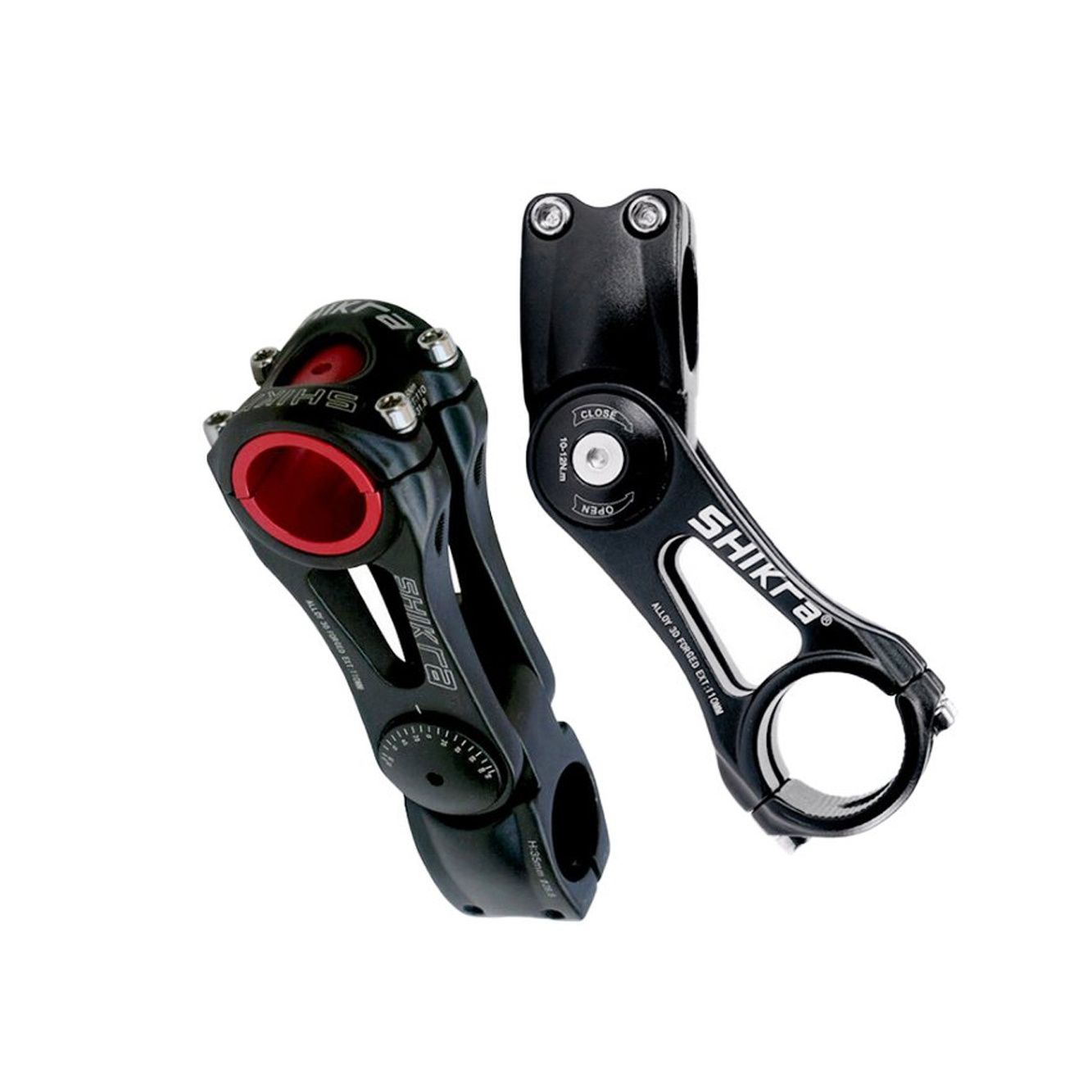
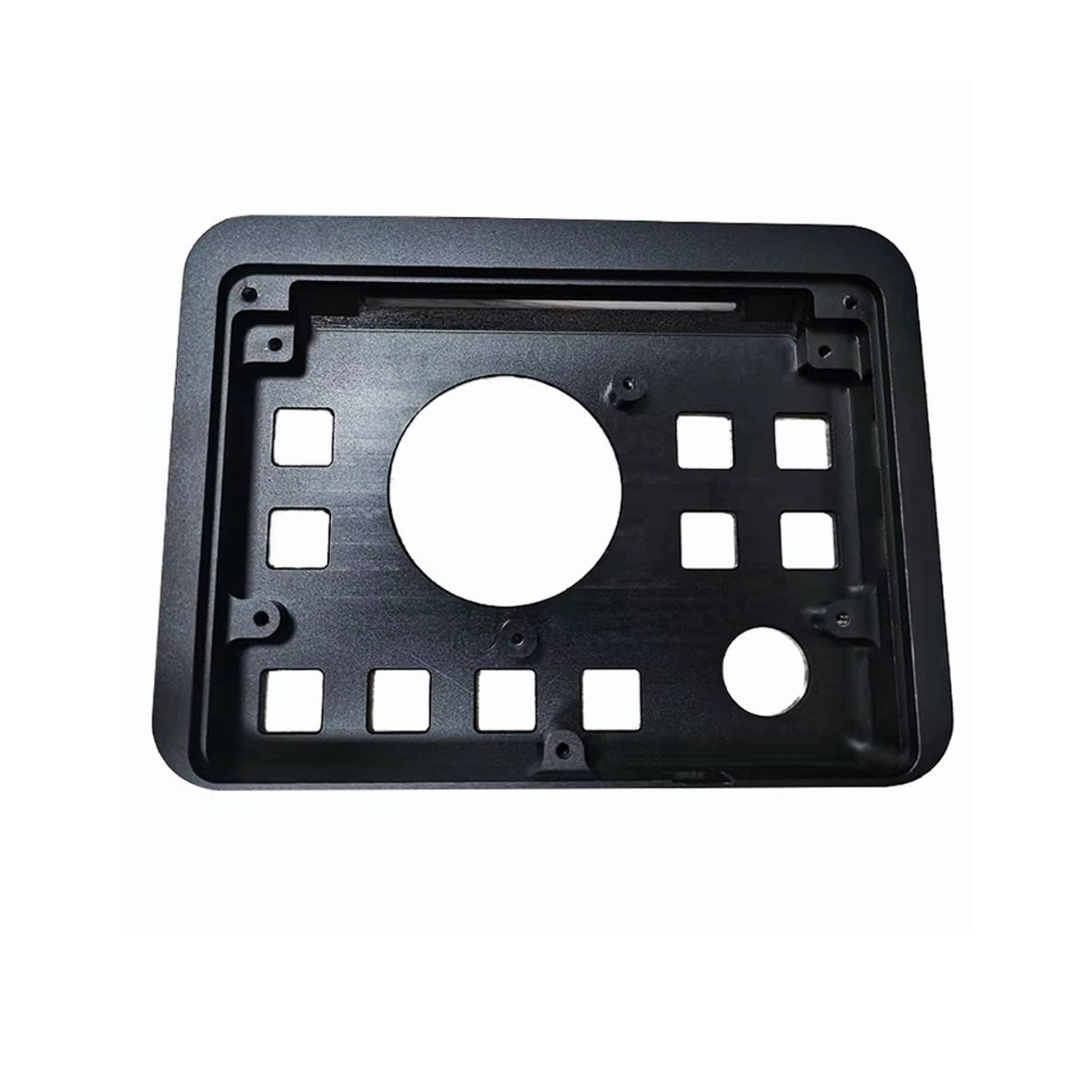
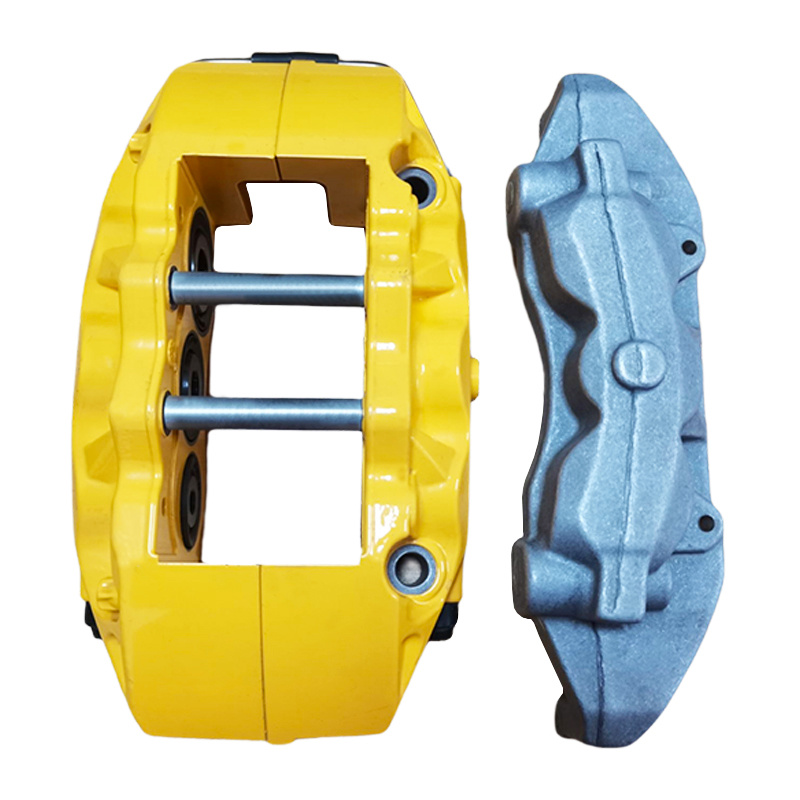
Explore 20 years of our automated equipment components manufacturing success. These case studies highlight the high-precision automated equipment swing arm components and prototypes we deliver to leading clients, utilizing advanced forging and CNC machining to process aluminum alloys.




Materials for Automated Equipment Components Manufacturing
LCW offers precision forging and CNC machining for automated equipment components. We process diverse metals to meet strict industrial automation demands.
Aluminum
Materials: 1060, 1050, 1100
Lead Time: 5-7 working days
Tolerance: ±0.05mm
Max Size: 600×500×200mm
Post-Processing: Anodizing, sandblasting, conductive oxidation, nickel plating
Aluminum Alloy
Materials: 7075, 7050, 6061, 6082, 6063
Lead Time: 5-7 working days
Tolerance: ±0.02mm
Max Size: 600×500×200mm
Post-Processing: Hard anodizing, electroless nickel plating, sandblasting, spraying
Copper
Materials: H70, H80, H90, C2600, C2680
Lead Time: 7-10 working days
Tolerance: ±0.03mm
Max Size: 500×400×150mm
Post-Processing: Gold plating, silver plating, passivation, anti-oxidation treatment
Brass
Materials: H62, H65, H68, H90, C2700, C5210
Lead Time: 7-10 working days
Tolerance: ±0.03mm
Max Size: 500×400×150mm
Post-Processing: Chrome plating, antique bronze treatment, polishing, painting
Surface Finishes for Automated Equipment Components
LCW delivers specialized surface treatments for high-precision automated equipment components. We enhance wear resistance and insulation for parts manufactured through forging and CNC machining, ensuring they meet the strict durability standards of the industrial automation sector.
Anodizing
An electrolytic process designed to create a hard, non-conductive oxide layer on aluminum alloy parts. Ideal for post-CNC machining, it boosts surface hardness and protection while preserving precise tolerances.
Applicable Material: Aluminum alloy
Effect: Increased surface hardness, electrical insulation, enhanced wear protection
Core Advantages: Superior corrosion resistance, stable dielectric properties, durable finish
Typical Applications: Automated equipment swing arm components, automated equipment robotic joint components, automated equipment control linkage components
Sandblasting
A specialized process for forged and machined parts. By adjusting abrasive parameters, we achieve a uniform matte finish that hides machining marks and refines the surface texture of aluminum alloys and other metals.
Applicable Material: Various metals
Effect: Consistent matte texture, high surface cleanliness
Core Advantages: Upgraded visual aesthetics, improved coating adhesion, removal of processing marks
Typical Applications: Automated equipment base chassis components, automated equipment outer shell components, automated equipment sensor bracket components
Electroplating
We provide customized electroplating solutions for specific automation needs. Precise control guarantees uniform coatings that maintain the exact dimensions of CNC machined parts, offering vital conductivity and oxidation defense.
Applicable Material: Various metals
Effect: Uniform dense coating, boosted electrical conductivity
Core Advantages: Outstanding corrosion resistance, minimized contact resistance, prolonged service life
Typical Applications: Automated equipment power interface components, automated equipment signal connector components, automated equipment slip ring components
Nickel Plating
A chemical deposition method ideal for complex internal automated equipment components. It deposits a uniform layer essential for wear and corrosion protection on mechanical parts, ensuring even coverage on intricate geometries.
Applicable Material: Aluminum alloy and Steel
Effect: Consistent thickness, high surface hardness
Core Advantages: Exceptional wear resistance, excellent corrosion protection, uniform coverage
Typical Applications: Automated equipment precision gear components, automated equipment bearing housing components, automated equipment drive shaft components
Spraying
Developed to meet diverse industrial machinery needs, this process delivers robust protection and electrical insulation. It guarantees a premium finish on aluminum alloy frames while safeguarding fine details.
Applicable Material: Aluminum alloy and Steel
Effect: Smooth uniform coating, reliable electrical insulation
Core Advantages: Lasting corrosion protection, strong impact resistance, high scratch resistance
Typical Applications: Automated equipment control cabinet components, automated equipment heavy-duty chassis components, automated equipment protective enclosure components
Case Studies
Our manufacturing services excel in the industrial automation sector. Here are examples demonstrating our ability to deliver high-quality automated equipment components using forging and CNC machining:

High-Strength Linkage Systems
Project Background: A leading robotics brand required robust, lightweight linkages for high-speed assembly.
Challenge: Automated equipment components must withstand rapid shock loads while minimizing weight for operational efficiency.
Solution: We combined forging for structural strength with precision CNC machining to refine aluminum alloys.
Results: Our automated equipment connecting components improved the strength-to-weight ratio by 15%.

Precision Servo Drive Units
Project Background: A machinery manufacturer needed durable housings for new servo-driven units.
Challenge: Parts require exceptional durability to handle high torque and continuous automated operation.
Solution: We utilized CNC machining on high-strength aluminum alloys to produce wear-resistant automated equipment motor housing components.
Results: Assembly precision increased, extending the drive unit's service life by 20%.

Mobile Platform Structural Systems
Project Background: An AGV manufacturer needed lightweight, rigid frames for load-bearing assemblies.
Challenge: Mobile automated equipment components must remain lightweight for energy efficiency without sacrificing strength under heavy payloads.
Solution: We processed aerospace-grade aluminum alloys using CNC machining to create rigid, lightweight automated equipment chassis frame components.
Result: The upgraded components improved payload capacity and structural safety by 10%.

Control Panel Thermal Management
Project Background: An industrial control provider required high-precision heat sinks for processing electronics.
Challenge: Enclosed parts demand absolute heat dissipation and surface flatness for optimal thermal transfer.
Solution: We manufactured automated equipment heat sink components from solid aluminum alloys using CNC machining to ensure flawless geometry.
Results: Enhanced cooling performance increased system stability and device longevity by 15%.
What Our Clients Say About Us
LCW brings over 20 years of expertise in the CNC machining and forging of high-performance automated equipment components. We believe that honest client feedback is the ultimate validation of our manufacturing precision.
LCW delivered exceptional craftsmanship for our automated equipment linkage components. In the industrial automation sector, structural reliability is paramount. Their team mastered material flow to maximize strength while minimizing weight, utilizing aluminum alloy to maintain strict tolerances even during high-volume forging production runs.
Thomas Bradley
Quality Manager
LCW demonstrated immense technical skill in producing lightweight automated equipment components for our sorting conveyors. Their expertise in CNC machining complex sensor bracket components using aluminum ensured structural integrity while keeping weight low. Their agility helped us meet crucial assembly line launch timelines.
Olivia Stanhope
Production Supervisor
The manufacturing solution for our automated equipment gear housing components was impressive. As a provider of precision machinery, LCW utilized advanced tooling to process aluminum alloy, significantly increasing fatigue resistance. Their rigorous quality control directly contributes to the superior operational stability of our automated systems.
Richard Dawson
Engineering Lead
LCW excels in the surface finishing of aesthetic automated equipment components. Through precise CNC machining and anodizing, our control panel components made of aluminum achieved a premium visual appeal and corrosion resistance. Their team quickly optimized machining parameters to match our distinct texture requirements.
Emily Thorne
Manufacturing Manager
LCW showed deep expertise in manufacturing precision automated equipment contactor components. Their forging and machining of wear-resistant copper alloy parts ensured precise dimensional control for seamless electrical conductivity. Their disciplined production management guarantees the long-term reliability of our high-load electrical interfaces.
Arthur Pendleton
Technical Director
LCW delivers consistent quality in custom automated equipment components for the manufacturing aftermarket. Their technical approach to processing thermal module components using copper optimizes heat dissipation for continuous-duty motors. They provided dependable engineering support, rapidly updating CNC machining programs for urgent system design changes.
Chloe Harrison
Product Manager
Automated Equipment FAQs
Why are CNC machining and forging critical for automated equipment components?
Automated systems run continuously and require parts that will not fail or degrade under constant use. CNC machining provides the extreme precision and repeatability needed for parts to fit together perfectly, while forging provides the raw structural strength required for heavy-duty, high-load mechanisms.
What types of robotics parts are typically CNC machined?
CNC machining is highly versatile and is the standard for producing complex robotics parts. Common components include robotic arms, joint housings, actuator enclosures, custom end-effectors (grippers), and precisely aligned sensor housings used for vision and LiDAR systems.
How does cold forging improve the durability of automation equipment parts?
Cold forging forces solid metal into a specific shape under extreme pressure. This process continuously aligns the metal's internal grain structure, creating parts with superior impact resistance and high load capacity. It is ideal for high-stress components like heavy gears, drive shafts, and structural linkages in industrial automation.
What materials are best suited for precision automation components?
The choice of material depends on the function. High-volume production of automation parts often utilizes aerospace-grade aluminum and titanium for a high stiffness-to-weight ratio. Stainless steel is used for high-strength requirements, while engineering plastics (like PEEK or Delrin) are machined for low-friction, vibration-damping parts.
Why is lightweighting important for robotic arms, and how is it achieved?
Lightweighting reduces the mass of moving parts, which lowers inertia, increases operating speed, and reduces power consumption without sacrificing rigidity. This is achieved by using custom automation manufacturing to carefully CNC machine away excess material from lightweight alloys like aluminum and titanium.
How does 5-axis CNC machining benefit custom automation manufacturing?
Traditional machining requires a part to be manually repositioned to cut different sides. 5-axis CNC machining can rotate and cut a part simultaneously across five different axes in a single setup. This allows manufacturers to create highly intricate, complex geometries—such as contoured robotic joints or custom sensor brackets—with exceptional accuracy and faster turnaround times.
When should I use CNC turning for my automated systems?
CNC turning (using a lathe) is the best method for creating cylindrical or rotational parts. In automated equipment, it is heavily used to manufacture high-precision motor shafts, guide rollers, actuator pins, and custom bushings that require perfect concentricity to operate smoothly.
Can CNC machining achieve the tight tolerances required for automation?
Yes. Modern CNC machining centers can control dimensional accuracy down to the micron level. It is common to hold tight tolerances of ±0.0005 inches. This extreme precision ensures a perfect, micron-level fit between mating precision automation components, eliminating assembly errors and ensuring smooth robotic motion.
What is the transition from rapid prototyping to high-volume production?
When designing new automated modules, engineers first use CNC machining for rapid prototyping to validate the design, test for functional fit, and iterate quickly. Once the design is locked in, the same digital CAD files are optimized for high-volume production, allowing for scalable manufacturing with strict quality control.
How do I decide between forging and CNC machining for my automation project?
The decision relies on the component's function. If you need massive strength and wear resistance for continuous, heavy-load workstations, forging is the best starting point. If your design requires complex internal features, lightweighting, or perfectly tight tolerances for precise robotic movement, CNC machining is the required method. Often, heavy-duty parts are forged first for strength, then CNC machined to hit precise final dimensions.

LCW Manufacturing
China
No. 1, Jinyuan 3rd Road, Xinqiao Third Industrial Zone, Shajing, Bao'an District, Shenzhen City, 518100
Contact
1-202-754-5941
Click to copy13418743212
Click to copyforging@lcwcnc.com
Click to copy