
Machined parts ship within 7-15 days. Order your metal machined parts today!


-
-
-
-
Blog Explore our facilities, technology, processes, and more.

-
Products Rigorous quality management processes ensure part consistency.
-
Quality Assurance See how companies used 3ERP services to solve challenges and speed up development.
-
Materials Browse a variety of metal materials to meet your project needs.
-
Manufacturing Guides Explore various manufacturing guidelines and reports.
Resources
-

Precision Manufacturing Solutions for Mechanical Equipment Components
LCW delivers high-performance manufacturing solutions for the industrial sector. By utilizing advanced forging and CNC machining, we engineer robust mechanical equipment crank arm components and mechanical equipment gear components. Our expertise ensures every part meets stringent industrial standards with superior precision.
Get Instant QuoteMechanical Equipment Components Manufacturing Processes
LCW provides specialized manufacturing solutions for the industrial machinery sector, ensuring top-tier quality throughout the production cycle. We specialize in producing robust mechanical equipment components that meet rigorous industrial standards.
CNC Machining
Forging Machining
Stamping Machining
Hot Forging Machining
Die Forging Machining
Surface Treatment
From Prototype Design to Manufacturing
LCW is your expert partner for the precision manufacturing of mechanical equipment components. Our engineering team provides end-to-end solutions from concept to mass production, utilizing advanced forging and CNC machining to ensure superior quality.
Rapid Prototyping
3-5 Day Delivery
Instant Quotation
Competitive Pricing
Small-Batch Production
100% Quality Inspection
Flexible Production Planning
Free Process Optimization
Mass Production
Product Consistency
Cost Reduction
First Article Inspection (FAI)
Why Partner with LCW for Mechanical Equipment Components Manufacturing
LCW possesses extensive expertise in the prototyping and manufacturing of mechanical equipment components. Utilizing advanced forging and CNC machining, we produce parts that exceed the most rigorous industrial validation and testing standards.
ISO & IATF Certified Quality
Scalable Production Capacity
Comprehensive Range of Services
Short Lead Times
Skilled and Experienced Team
Streamlined Quotation System
Four Steps to Work With Us
LCW provides professional prototyping and mass production solutions for mechanical equipment components. We streamline the manufacturing process into four clear stages, ensuring a seamless transition from your initial concept to the finished product.
QC & Shipping
Production
Analysis & Quote
Upload Your Design
Advantages & Features
LCW delivers distinct competitive advantages in manufacturing mechanical equipment components. We combine speed, precision, and flexibility to meet the rigorous demands of the industrial machinery sector through advanced forging and CNC machining.
High Precision
Quick Turnaround
Comprehensive Material Options
Cost-Effective Solutions
Expert Support
Custom Solutions
Prototyping and Production Solutions for the Mechanical Equipment Industry
LCW offers efficient rapid prototyping and custom manufacturing for mechanical equipment components. Through rigorous quality testing, we ensure every part meets strict technical requirements. From concept to mass production, we leverage forging and CNC machining to process high-performance aluminum alloys and other metals.
Prototyping & Concept Validation
Engineering Validation and Testing (EVT)
Design Validation and Testing (DVT)
Production Validation and Testing (PVT)
Mass Production (MP)
Custom Mechanical Equipment Components Machining Display
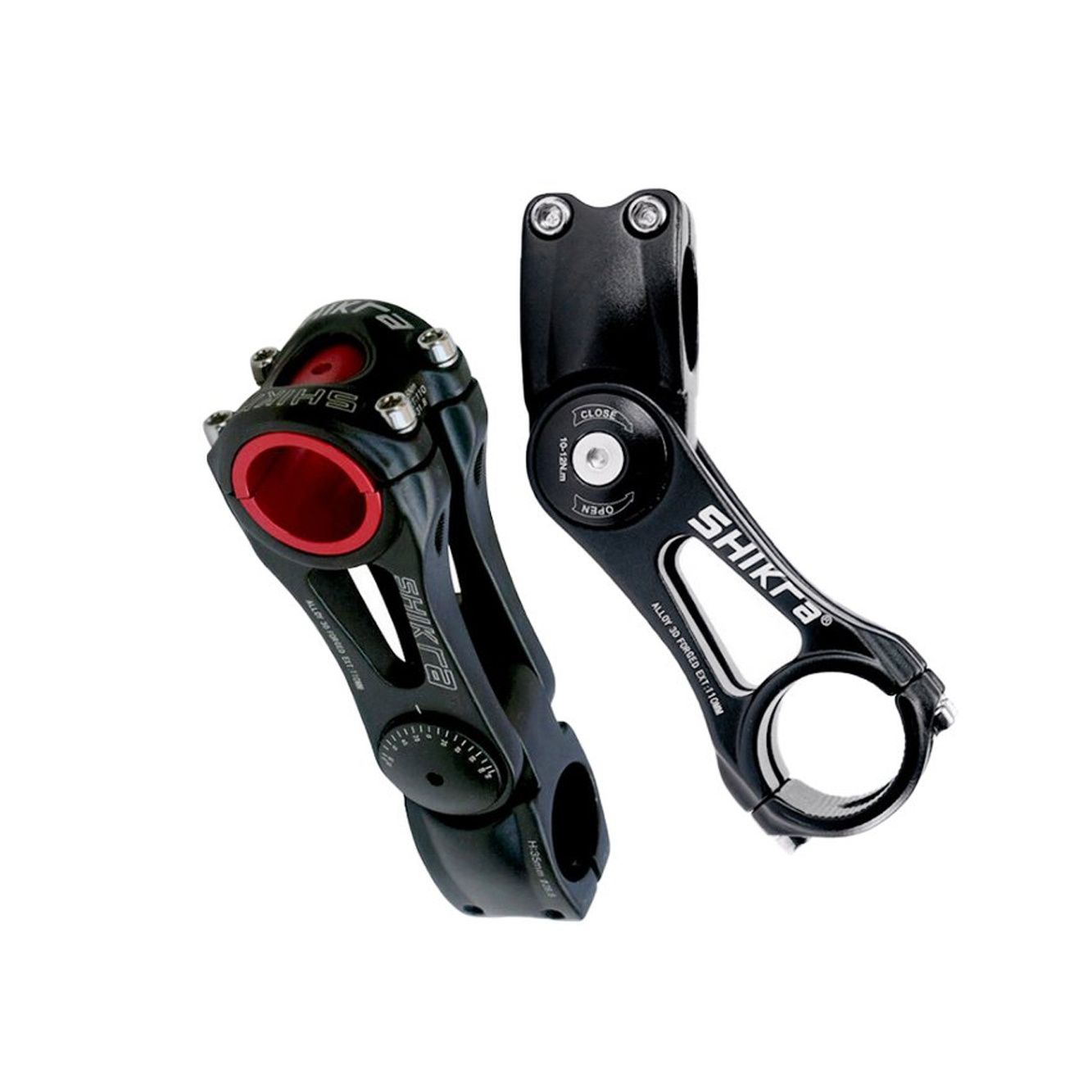
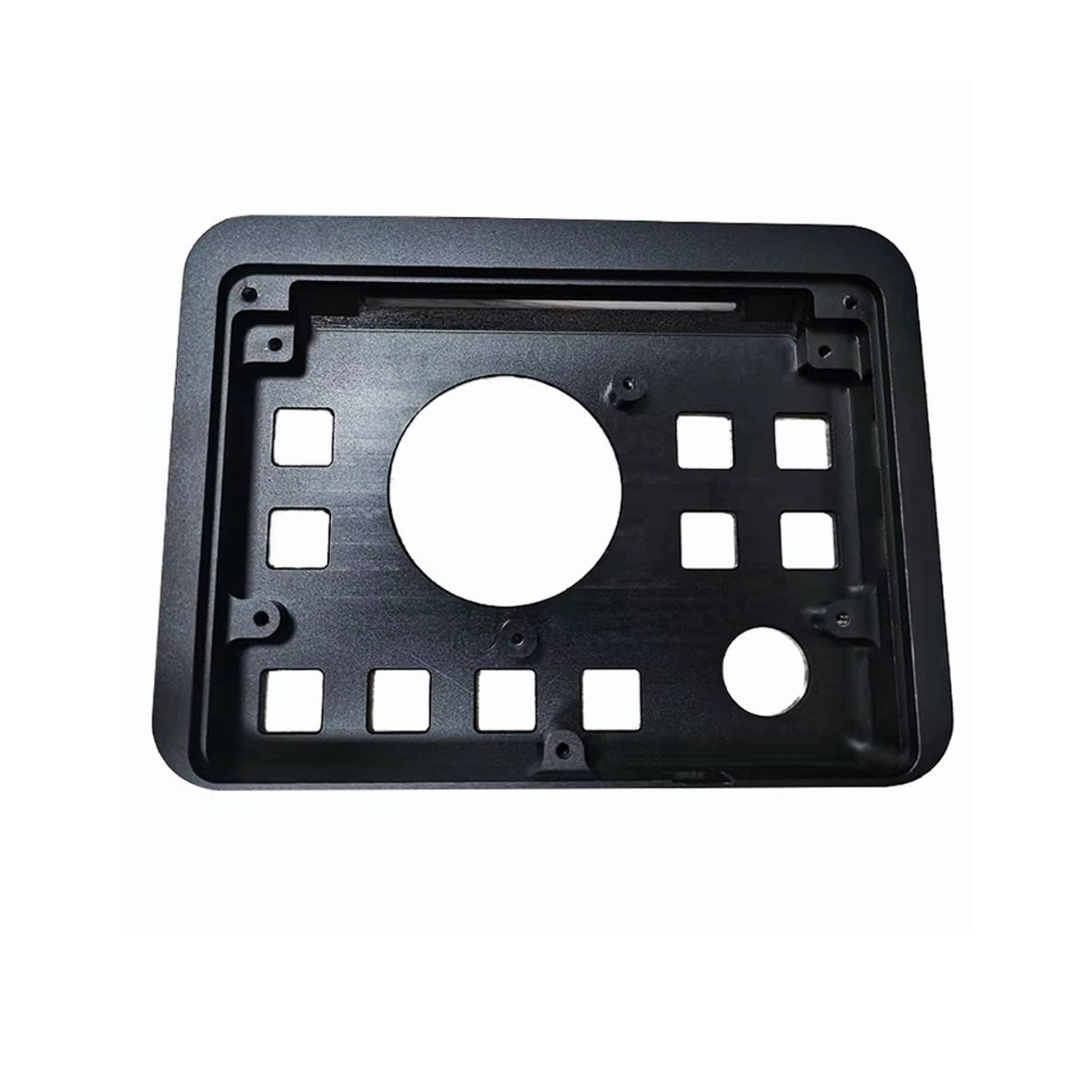
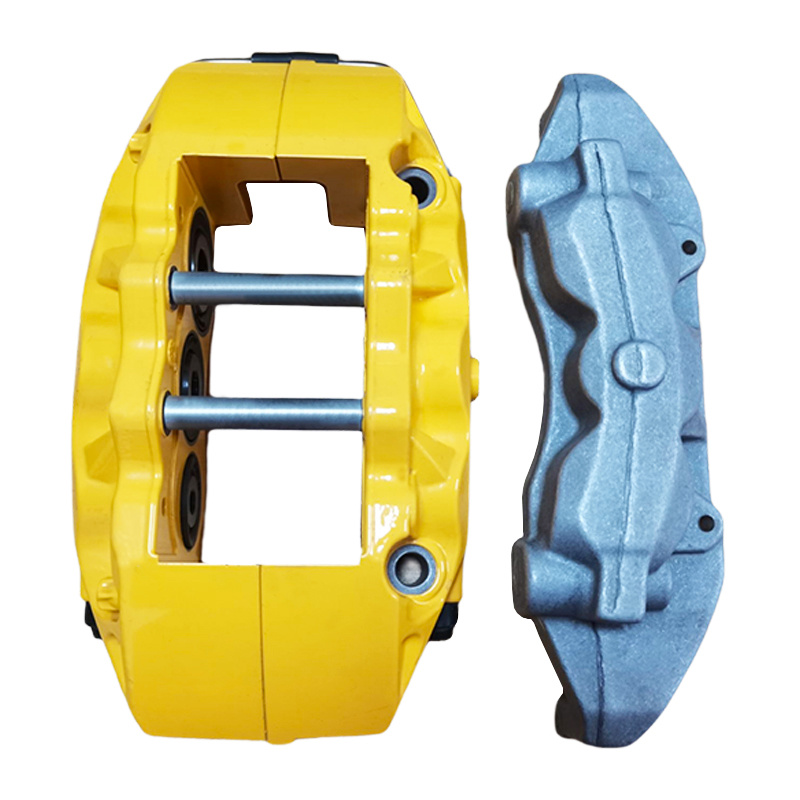
Explore 20 years of expertise in mechanical equipment components manufacturing. These case studies highlight high-precision mechanical equipment crank components and prototypes engineered for industry leaders. Utilizing advanced forging and CNC machining, we process high-performance aluminum alloys to meet the most demanding industrial specifications.




Materials for Mechanical Equipment Components Manufacturing
LCW provides high-precision forging and CNC machining solutions for mechanical equipment components. We process a variety of metals to meet the rigorous durability and performance standards of industrial machinery.
Aluminum
Materials: 1060, 1050, 1100
Lead Time: 5-7 working days
Tolerance: ±0.05mm
Max Size: 600×500×200mm
Post-Processing: Anodizing, sandblasting, conductive oxidation, nickel plating
Aluminum Alloy
Materials: 7075, 7050, 6061, 6082, 6063
Lead Time: 5-7 working days
Tolerance: ±0.02mm
Max Size: 600×500×200mm
Post-Processing: Hard anodizing, electroless nickel plating, sandblasting, spraying
Copper
Materials: H70, H80, H90, C2600, C2680
Lead Time: 7-10 working days
Tolerance: ±0.03mm
Max Size: 500×400×150mm
Post-Processing: Gold plating, silver plating, passivation, anti-oxidation treatment
Brass
Materials: H62, H65, H68, H90, C2700, C5210
Lead Time: 7-10 working days
Tolerance: ±0.03mm
Max Size: 500×400×150mm
Post-Processing: Chrome plating, antique bronze treatment, polishing, painting
Surface Finishes for Mechanical Equipment Components
LCW delivers professional surface treatments specialized for high-precision mechanical equipment components. We optimize durability, wear resistance, and corrosion protection for parts manufactured through forging and CNC machining to meet the rigorous standards of industrial machinery.
Anodizing
Applicable Material: Aluminum alloy
Core Advantages: Superior corrosion resistance, improved wear protection, and durable insulation.
Core Advantages: Refines appearance, eliminates CNC machining marks, and improves coating adhesion.
Typical Applications: Mechanical equipment heat sink component, mechanical equipment control housing component, mechanical equipment structural frame component.
Sandblasting
Applicable Material: Various metals (including aluminum alloy)
Effect: Uniform surface texture and high cleanliness.
Core Advantages: Refines appearance, eliminates CNC machining marks, and improves coating adhesion.
Typical Applications: Mechanical equipment precision base component, mechanical equipment instrument panel component, mechanical equipment decorative component.
Electroplating
Applicable Material: Various metals
Effect: Uniform, dense coating with a lasting metallic luster.
Core Advantages: Outstanding corrosion resistance and extended service life for mechanical assemblies.
Typical Applications: Mechanical equipment electrical connector component, mechanical equipment sensor contact component,
mechanical equipment interface component.
Nickel Plating
Applicable Material: Aluminum alloy, copper, and steel
Effect: Precise coating thickness and high surface hardness.
Core Advantages: Exceptional wear resistance and uniform coverage on intricate forged shapes.
Typical Applications: Mechanical equipment fuel system component, mechanical equipment transmission gear component, mechanical equipment precision assembly component.
Spraying
Applicable Material: Aluminum alloy, copper, and steel
Effect: Smooth, uniform finish with high impact resistance.
Core Advantages: Long-term corrosion protection and excellent resistance to environmental stress.
Typical Applications: Mechanical equipment dashboard component, mechanical equipment display frame component, mechanical equipment chassis component.
Case Studies
Our manufacturing expertise excels in the industrial machinery sector. Below are examples of how we deliver high-quality mechanical equipment components through precision forging and CNC machining:

Heavy-Duty Drive Systems
Project Background: An industrial machinery manufacturer required high-precision parts for critical drive assemblies.
Challenge: Mechanical equipment components must withstand extreme temperatures and pressures while maintaining tight tolerances for operational safety.
Solution: We utilized advanced CNC machining and forging to produce mechanical equipment drive components with superior mechanical properties.
Results: On-time delivery of these precision parts contributed to a 15% improvement in overall machine efficiency.

Industrial Transmission Units
Project Background: A major machinery company needed durable components for their heavy-duty transmission systems.
Challenge: The parts required exceptional durability to function flawlessly under high stress and constant friction.
Solution: We employed CNC machining to process high-strength aluminum alloys, producing precision mechanical equipment transmission components.
Results: Enhanced part reliability led to a 20% reduction in equipment maintenance costs.

High-Speed Linkage Systems
Project Background: A high-performance equipment manufacturer required lightweight yet robust parts for their linkage assemblies.
Challenge: These mechanical equipment components needed to balance minimal weight with maximum durability for high-speed operation.
Solution: We processed aerospace-grade aluminum alloys using a combination of forging and CNC machining to create high-strength mechanical equipment linkage components.
Result: The upgraded system improved operational stability and equipment handling by 10%.

Industrial Braking Systems
Project Background: A renowned industrial brand required high-precision parts for their safety braking assemblies.
Challenge: The parts had to guarantee absolute reliability and safety under extreme environmental conditions.
Solution: We manufactured mechanical equipment braking components from specialized aluminum alloys using CNC machining, ensuring compliance with stringent safety standards.
Results: These high-quality components enhanced braking reliability and response efficiency by 15%.
What Our Clients Say About Us
LCW brings over 20 years of expertise in the CNC machining and forging of high-precision mechanical equipment components. We believe that honest client feedback is the ultimate validation of our manufacturing precision.
LCW provided exceptional craftsmanship for our industrial crane hook components. In the heavy machinery sector, structural strength is paramount. Their team mastered material flow to enhance durability and reduce weight, utilizing aluminum alloy to maintain tight tolerances during high-volume forging production runs.
Michael Sterling
Production Manager
LCW demonstrated immense technical skill in producing lightweight mechanical equipment components for our fluid power systems. Their expertise in CNC machining complex hydraulic pump housing components using aluminum ensured thermal efficiency while preserving structural integrity. Their agility helped us meet crucial equipment launch timelines.
Valerie Stone
Operations Supervisor
The manufacturing solution for our power transmission shaft components was impressive. LCW utilized advanced tooling to process copper alloy materials, significantly increasing fatigue resistance. Their rigorous quality control directly contributes to the torque handling and stability of our heavy industrial machinery.
Marcus Holden
Quality Manager
LCW excels in the finishing of aesthetic mechanical equipment components. Through precise CNC machining and anodizing, our control panel components made of aluminum achieved a premium visual appeal. Their team quickly optimized machining parameters to match the distinct texture requirements of our premium machinery line.
Chloe Bennett
Design Lead
LCW showed deep expertise in manufacturing high-performance centrifugal compressor impeller components. Their machining of heat-resistant copper parts ensured precise dimensional control for optimal airflow and balance. Their disciplined production management guarantees the long-term reliability of our industrial pneumatic systems.
Jonathan Vargas
Chief Engineer
LCW delivers consistent quality in custom mechanical equipment components for the industrial aftermarket. Their technical approach to processing pneumatic valve body components optimizes fluid velocity and heat dissipation. They provided dependable engineering support, rapidly updating CNC machining programs for urgent system performance upgrades.
Samantha Riley
Product Manager
Mechanical Equipment FAQs
What is the primary difference between the forging and CNC machining processes?
Forging involves heating metal and using localized compressive forces (such as heavy hammering or pressing) to shape it. It deforms the solid material into the desired shape without melting it. CNC machining, by contrast, is a subtractive manufacturing process. It uses automated, computer-programmed cutting tools to shave material away from a solid block until the final shape is achieved.
What are some popular mechanical equipment parts produced using these methods?
Both methods are vital for manufacturing popular mechanical equipment parts across heavy industries. Forging is heavily relied upon to produce high-stress, durable components like heavy-duty gears, drive shafts, wheel spindles, and connecting rods. CNC machining is typically used to carve out intricate aerospace brackets, custom engine enclosures, hydraulic manifolds, and highly precise medical instrumentation.
Why might a manufacturer choose forging over casting for durable parts?
Forging produces significantly stronger and more reliable parts than casting. Because the forging process forces the metal into shape while it is still solid, it aligns and preserves the metal's internal grain structure. This makes forged components highly resistant to impact, fatigue, and heavy loads.
What materials are typically used in CNC machining and forging?
Both processes can manipulate a wide variety of industrial metals. Common forging materials include carbon steel, alloy steel, stainless steel, aluminum, and titanium. CNC machining can utilize all of these rigid metals, but it can also easily cut softer materials like brass, copper, and engineering plastics (such as nylon, Delrin, or ABS).
How does forging improve the structural integrity of popular mechanical equipment parts?
When metal is forged, its internal grain structure physically deforms to follow the contours of the part. This continuous, unbroken grain flow eliminates internal voids and porosity, significantly improving the tensile strength, ductility, and overall structural integrity of the final component.
What is the difference between CNC milling and CNC turning?
These are the two most common CNC machining techniques. In CNC milling, the workpiece is held stationary while a rotating cutting tool moves around it to carve out shapes, slots, and internal corners. In CNC turning (which uses a lathe), the workpiece itself spins at high speeds while a stationary cutting tool moves along it to shave away material, making it perfect for creating cylindrical parts.
What are the main types of forging processes?
The most common industrial methods are open-die forging and closed-die (impression) forging. Open-die forging hammers the metal between flat dies that do not completely enclose the material, making it ideal for very large or simple shapes. Closed-die forging compresses the metal between two custom-shaped molds (dies), creating much more complex and precise parts.
Are there size limitations for manufacturing these parts?
While both methods are highly versatile, they scale differently. CNC machining can produce incredibly tiny, intricate parts as well as large structural panels, limited only by the size of the machine's bed. Forging is generally used for parts ranging from a few ounces up to massive structural components weighing hundreds of tons; however, highly complex or microscopic details are better suited for a CNC machine.
What tolerances and surface finishes can be achieved with CNC machining?
CNC machining is famous for extreme precision, easily holding tight dimensional tolerances of ±0.001 inches or better. However, because the process relies on rotating cutting tools, machined parts will often be left with visible tool marks. If a perfectly smooth or protective surface is required, secondary finishing processes like bead blasting, anodizing, or powder coating are applied.
How do I decide whether to use CNC machining or forging for my project?
The choice comes down to your project's specific mechanical requirements. If you are designing popular mechanical equipment parts that must survive extreme stress, impact, and heavy loads, forging is the better choice for its unmatched strength. If your design requires highly complex internal geometries, perfectly tight tolerances, or is made from plastic, CNC machining is the ideal solution. In many industrial applications, a part is forged first for raw strength and then CNC machined afterward to achieve final, precise dimensions.

LCW Manufacturing
China
No. 1, Jinyuan 3rd Road, Xinqiao Third Industrial Zone, Shajing, Bao'an District, Shenzhen City, 518100
Contact
1-202-754-5941
Click to copy13418743212
Click to copyforging@lcwcnc.com
Click to copy