
Machined parts ship within 7-15 days. Order your metal machined parts today!


-
-
-
-
Blog Explore our facilities, technology, processes, and more.

-
Products Rigorous quality management processes ensure part consistency.
-
Quality Assurance See how companies used 3ERP services to solve challenges and speed up development.
-
Materials Browse a variety of metal materials to meet your project needs.
-
Manufacturing Guides Explore various manufacturing guidelines and reports.
Resources
-
Custom Closed-Die Forging Services
LCW has been deeply cultivated in the die forging field for twenty years, mastering core technologies in closed die forging and multi-directional die forging. We select premium alloy aluminum materials, and our team of professional engineers precisely controls forging temperatures and forming pressures to ensure complete fiber flow lines and dense internal structures in our forgings. Relying on advanced die forging production lines and a comprehensive quality system, we provide full-process die forging solutions—from mold design to finished product delivery—for industries such as aerospace, automotive manufacturing, and precision instruments. We welcome you to provide product drawings, and we will provide professional process analysis and rapid quoting services.
- 20 years of professional manufacturing experience in die forged parts
- Capable of ±0.01mm precision die forging forming
- ISO9001 & IATF16949 Quality System Certified
- Provides integrated solutions for die forging forming and precision machining
- Capable of rapid prototyping and mass delivery services
- Equipped with large-scale die forging presses and specialized mold systems
Get Die Forging Parts Quotation

The information you provide is strictly confidential and secure
ISO
9001:2015 Certified
40+
Forging Equipment
5000+
Global partners
20,000+
Die Forged Parts Produced Monthly
Our Metal Die Forging Processes
LCW has established a complete die forging processing system, offering comprehensive solutions for hot die forging, cold die forging, and precision die forging. Relying on advanced molds and perfect processes, we achieve ±0.01mm processing precision, support the processing of various metal materials, and have passed ISO9001 and IATF16949 quality certifications to ensure products meet strict technical requirements.
Hot Die Forging
20+ years of hot die forging experience
24-hour rapid quoting
In-house mold manufacturing
Mass production expert
Cold Die Forging
Ultra-high dimensional accuracy
Excellent surface quality
Enhanced part performance
Professional die forged part manufacturing
Precision Die Forging
Comprehensive first-article inspection
One-on-one engineering service
7-day rapid delivery
Full-process quality monitoring
From Prototype Design to Manufacturing
LCW is your trusted partner for one-stop custom forging, offering full-process die forging services from concept design to mass production. Relying on rich die forging experience, mature process plans, efficient production workflows, and a professional engineering team, we are dedicated to helping you transform design concepts into high-quality finished die forged parts.
Die Forged Prototype Development
20+ years professional experience
Rapid process analysis & quote
Competitive pricing
5-7 day rapid prototype delivery
Small Batch Die Forging Production
Flexible production scheduling
100% quality inspection guarantee
Free process optimization suggestions
Multi-station equipment support
Mass Die Forging Manufacturing
Cost advantages of scale
Excellent quality stability
Full-dimension first-article inspection
Successfully serving 5000+ global clients
Why Choose Us for Die Forging Services
We focus on the field of die forging, providing customers with one-stop solutions from forging formation to precision machining. Relying on a mature die forging process system, we ensure that every product possesses excellent mechanical properties and stable dimensional accuracy, meeting the application needs of various severe working conditions.
Mature Die Forging Process System
Professional Die Forging Equipment Cluster
Flexible Custom Die Forging Services
Strict Quality Assurance System
Four Steps to Work With Us
LCW leverages deep industry accumulation to provide professional and efficient solutions for rapid prototyping and small-batch production. We break down the innovation process into four clear, efficient stages to ensure smooth project progression from concept to finished product.
Upload your design
Analysis and quotation
Put into production
Quality Inspection and Shipping
Core Advantages of Our Die Forging Services
Die forging produces parts with high strength, high precision, and consistency by controlling metal forming within precision molds. Relying on mature die forging processes and a complete quality assurance system, we ensure every die forged part has excellent mechanical properties and a long service life.
Improved Material Performance
Guaranteed Structural Integrity
Flexible Production Capacity
Professional Material Knowledge
Full-Process Quality Control
Optimized Comprehensive Cost
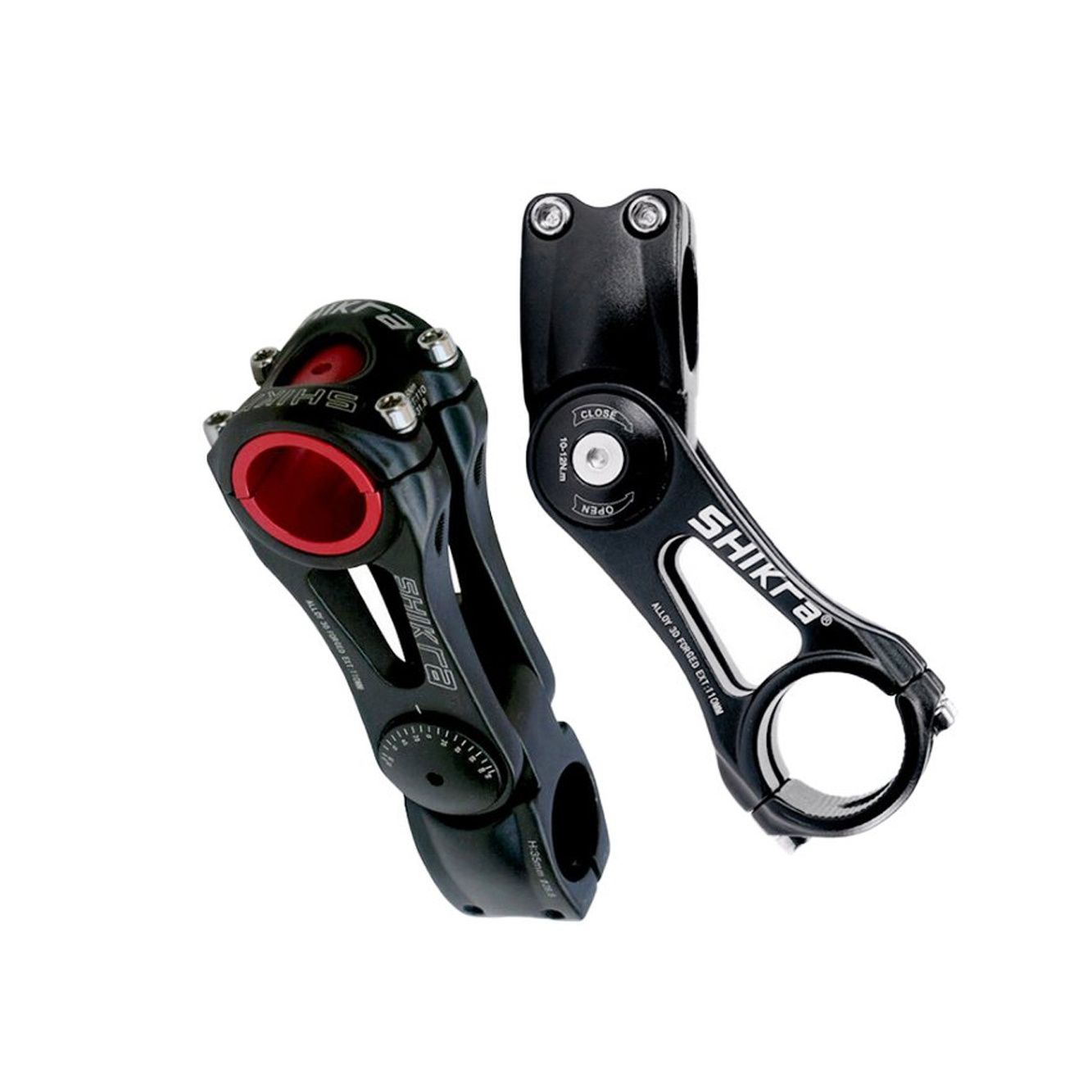
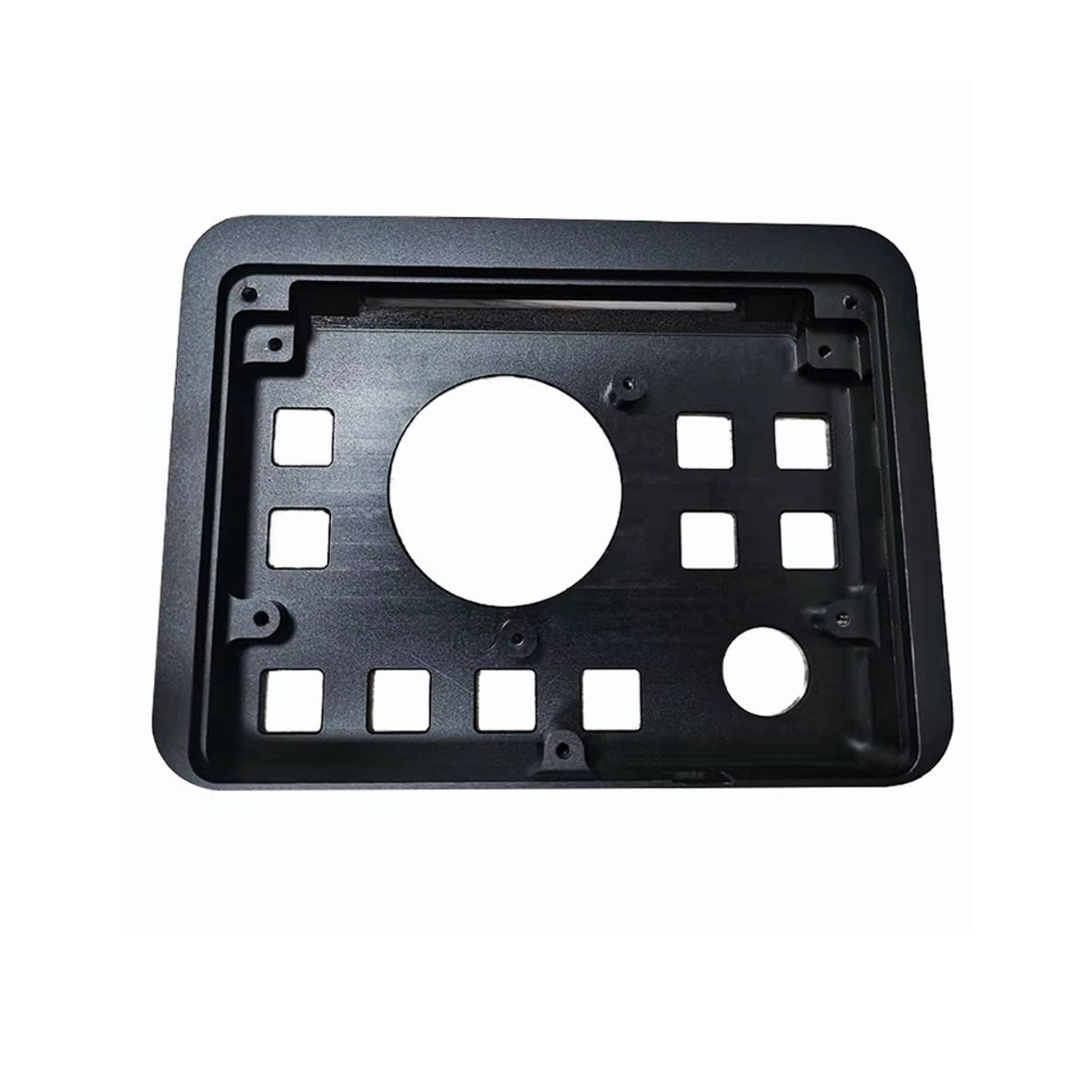
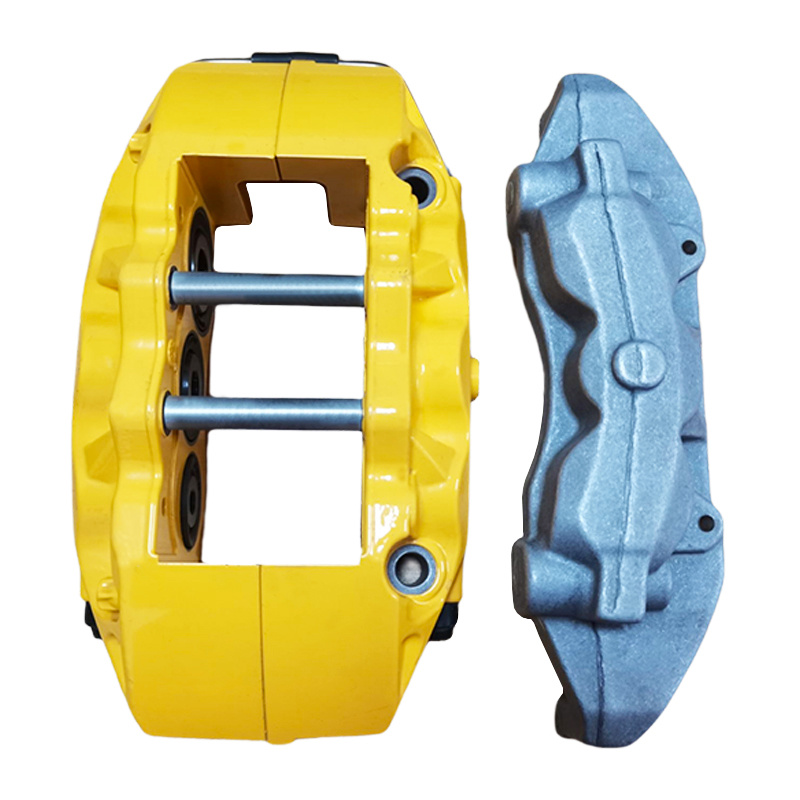
Custom Die Forged Parts Display
Welcome to browse our classic die forging cases accumulated over 20 years. These cases demonstrate the high-precision components and prototype samples we have manufactured for leading customers in various industries.




Die Forging Tolerances and Standards
LCW focuses on precision die forging, providing customers with one-stop services from prototype development to mass manufacturing. Relying on a mature die forging process system, we possess strict tolerance control capabilities, ensuring every die forged product meets international quality standards and customer technical requirements in terms of material density, mechanical properties, and dimensional accuracy.
|
Parameter |
Specification |
|
Material Thickness Range |
0.5mm~180mm |
|
Max Die Forging Size |
400mm*400mm*150mm |
|
Weight Range |
1~20kg |
|
Dimensional Tolerance |
±0.05mm~0.3mm |
|
Equipment Closing Force |
50~4000Tons |
|
Batch Capability |
10 ~ 20,000 pieces |
|
Heat Treatment |
T4, T5, T6 full series heat treatment |
|
Secondary Processing |
One-stop solutions: CNC machining, surface treatment, etc. |
Die Forging Materials
LCW, as a professional die forging company, leverages its mature die forging process and material technology to provide customers with high-performance, high-precision customized die forged parts solutions. We can flexibly select a variety of metal materials for die forging according to project requirements, meeting the demands of different industries for structural strength, lightweight design, and corrosion resistance.
Aluminum
Materials: 1060, 1050, 1100
Lead Time: Approx. 7–10 working days
Tolerance: ±0.1mm
Max Size: Generally up to 400×400×150mm (depending on mold)
Post-Processing: Heat treatment, shot blasting, CNC machining, anodizing, sandblasting
Aluminum Alloy
Materials: 7075, 7050, 6061, 6082, 6063 Lead Time: Approx. 7–10 working days Tolerance: ±0.1mm Max Size: Generally up to 400×400×150mm (depending on mold) Post-Processing: Heat treatment, shot blasting, CNC machining, anodizing, sandblasting,spraying
Copper
Materials: H70,H80,H90,C2600,C2680
Lead Time: Approx. 10 working days
Tolerance: ±0.4mm
Max Size: Generally up to 400×400×150mm (depending on mold)
Post-Processing: Annealing, shot blasting, machining, polishing, electroplating, passivation
Brass
Materials: H62, H65,H68, H90, C2700,C5210
Lead Time: Approx. 10 working days
Tolerance: ±0.4mm
Max Size: Generally up to 400×400×150mm (depending on mold)
Post-Processing: Annealing, sandblasting, polishing, machining, oxidation treatment
Surface Treatments for Die Forging
LCW provides professional surface treatment services tailored to the material and process characteristics of die forged parts. Through mechanical, chemical, and electrochemical methods, we effectively enhance the corrosion resistance, wear resistance, fatigue strength, and appearance quality of die forgings.
Anodizing
Applicable Material: Aluminum alloy die forgings
Effect: Significantly increased surface hardness, multiple colors available
Core Advantages: Strong corrosion resistance, improved wear resistance, beautiful and durable
Typical Applications: Aerospace parts, automotive suspension systems, sports equipment
Shot Blasting
Applicable Material: Various metal die forgings
Effect: Uniform surface texture, high cleanliness
Core Advantages: Enhances fatigue strength, increases wear resistance, improves coating adhesion
Typical Applications: Engine crankshafts, transmission gears, heavy machinery components
Blackening (Black Oxide)
Applicable Material: Aluminum die forgings
Effect: Deep black appearance, uniform film layer
Core Advantages: Excellent rust prevention, low friction coefficient, good wear resistance
Typical Applications: Fixtures, transmission parts, hydraulic components
Electroplating
Applicable Material: Various metal die forgings
Effect: Uniform and dense coating, lasting metallic luster
Core Advantages: Excellent corrosion resistance, high surface hardness, long service life
Typical Applications: Automotive chassis parts, marine engineering equipment, chemical equipment components
Spraying
Applicable Material: Various metal die forgings
Effect: Smooth and uniform coating, rich color selection
Core Advantages: Long-term corrosion protection, excellent weather resistance, beautiful appearance
Typical Applications: Engineering machinery, architectural structural parts, outdoor equipment
Application of Die Forging
LCW has won the trust and long-term cooperation of global customers with its professional manufacturing capabilities in the die forging field. We focus on providing high-precision, high-performance die forging solutions, and our products are widely used in key fields such as aerospace, automotive industry, energy equipment, and heavy machinery.
Providing tight-tolerance metal housings and intricate internal parts.
Creating robust gear and structural components designed to withstand extreme environmental conditions.
Machining specialized metallic parts essential for advanced battery brackets and power systems.
Forging and machining complex components that drive efficiency in industrial automation.
Supplying heavy-duty, wear-resistant metal parts for rigorous industrial machinery applications.
Customer Testimonials
LCW has over twenty years of professional experience in die forging, with a service network covering major industrial countries. We believe real customer feedback is the best standard for testing our professional capabilities.
Marcus Turner
Automotive Components Technical Director
The engine aluminum alloy connecting rod die forging solution provided by LCW showed excellent craftsmanship. They are experienced in mold structure optimization and material forming control, ensuring the product achieved ideal metallographic structure and mechanical properties through precise parameters and temperature management. Their automated production line showed outstanding stability when handling large-volume demands for complex structural parts.
Natalie Chen
New Energy Equipment Production Manager
LCW demonstrated professional technical strength in the die forging of aluminum alloy casings for battery systems. They have a deep understanding of die forging for large structural parts, ensuring quality consistency in mass production through reasonable mold cooling systems and professional forming control. Their supply chain team showed excellent coordination capabilities when dealing with urgent orders.
Ryan Mitchell
Mechanical Equipment Engineering Lead
The transmission system copper alloy gear die forging plan provided by LCW was impressive. They showed rich experience in forming high-strength parts, significantly improving forming quality and performance through innovative mold lubrication technology and professional process optimization. LCW's perfect quality traceability system provided a strong guarantee for our product reliability.
Sophia Roberts
Industrial Components Manufacturing Director
LCW showed a superior technical level in the die forging of aluminum alloy equipment connectors. They have systematically researched material flow characteristics during die forging, ensuring uniform and dense internal structure through optimized mold design and professional process control. Their engineering team was able to quickly provide customized solutions for different customer design requirements.
Daniel Wright
Power Transmission Technical Advisor
LCW displayed professional technical literacy in the die forging of copper alloy conductive parts. They have deep research into the die forging of conductive materials, ensuring the product achieved excellent mechanical properties while maintaining conductivity through reasonable process arrangements and parameter settings. Their strict production management system provided an important guarantee for performance consistency.
Olivia Parker
Heavy Equipment Service Manager
LCW showed stable quality performance in the die forging of aluminum alloy structural parts for engineering machinery. They have perfect technical solutions for mold design and production processes of large forgings and were able to quickly optimize production flows when facing urgent design changes. Their professional engineering service team provided reliable technical support for our project advancement.
Die Forging FAQs
What is die forging?
Die forging is an advanced manufacturing process that uses closed molds to plastically form metal billets. By applying pressure at a specific temperature, the metal completely fills the mold cavity, resulting in forgings with precise geometric shapes, continuous fiber flow lines, and excellent mechanical properties. This process significantly improves material density and mechanical performance, making it the preferred method for manufacturing key load-bearing components.
What is the main difference between die forging and free forging?
Die forging uses precision-machined closed mold systems, capable of producing forgings with complex shapes and precise dimensions; it has high material utilization and is suitable for mass production. Free forging uses simple tools and relies on operator skill for forming; products have simple shapes and large machining allowances, making it more suitable for small-batch production and preliminary forming of large billets.
What are the main advantages of the die forging process?
The die forging process has significant advantages such as high production efficiency, high material utilization, good dimensional consistency, strong structural density, and complete fiber flow lines. The continuous fiber structure formed through plastic deformation can significantly improve the fatigue strength and mechanical properties of the part, making it especially suitable for manufacturing safety-critical components.
What level of dimensional precision can die forged parts usually achieve?
Through advanced mold design and process control, the dimensional accuracy of die forged parts can usually be controlled within ±0.5mm, with key areas reaching ±0.2mm. We adopt precision die forging technology combined with strict process parameter optimization to ensure dimensional stability in mass production.
How is the life of die forging molds guaranteed?
Mold life is influenced by material selection, heat treatment, cooling/lubrication, and process parameters. We use premium mold steels combined with advanced surface treatment and scientific cooling systems, enabling aluminum alloy die forging molds to reach a life of 50,000-100,000 pieces, and aluminum forging molds to have a service life of 10,000-30,000 pieces.
What is the main difference between die forging and casting?
Die forging obtains parts through metal plastic deformation, resulting in dense structures, continuous fibers, and excellent mechanical properties. Casting forms parts by solidifying liquid metal; while it can manufacture more complex internal cavity structures, defects like shrinkage cavities and porosity may exist, and mechanical properties are usually lower than forgings. Die forging is preferred for key load-bearing parts.
What key factors need to be considered in die forging mold design?
Mold design needs to comprehensively consider factors such as parting line selection, draft angle, fillet radius, shrinkage rate, and machining allowance. Our engineers ensure the rationality of the mold structure and process feasibility based on rich experience and simulation analysis.
What are the important roles of heat treatment for die forged parts?
Heat treatment is a key step to enhance the performance of die forged parts, including annealing to eliminate stress, normalizing to refine structure, quenching to increase hardness, and tempering to adjust toughness. We formulate personalized heat treatment plans based on material characteristics and usage requirements to ensure the product achieves optimal comprehensive performance.
How is the quality of die forged parts effectively controlled?
We have established a full-process quality control system from raw material entry to finished product exit, including raw material inspection, process monitoring, regular mold checks, process inspection, and final product testing, ensuring every forging meets technical standards.
What are common defect types in die forged parts and their prevention measures?
Common defects include folds, underfilling, cracks, and dimensional deviations. We effectively prevent defects by optimizing mold structures, reasonably formulating process parameters, strictly controlling heating temperatures, and strengthening on-site monitoring.
Order Die Forging Parts Now
Customers
Processed Parts
The information you provide is strictly confidential and secure

LCW Manufacturing
China
No. 1, Jinyuan 3rd Road, Xinqiao Third Industrial Zone, Shajing, Bao'an District, Shenzhen City, 518100
Contact
1-202-754-5941
Click to copy13418743212
Click to copyforging@lcwcnc.com
Click to copy