
Machined parts ship within 7-15 days. Order your metal machined parts today!


-
-
-
-
Blog Explore our facilities, technology, processes, and more.

-
Products Rigorous quality management processes ensure part consistency.
-
Quality Assurance See how companies used 3ERP services to solve challenges and speed up development.
-
Materials Browse a variety of metal materials to meet your project needs.
-
Manufacturing Guides Explore various manufacturing guidelines and reports.
Resources
-
Metal Surface Finishing Services
LCW boasts over 20 years of professional experience and a team of senior engineers dedicated to providing high-quality surface treatment solutions. We offer comprehensive services to industries such as aerospace and automotive manufacturing, covering every stage from surface pretreatment to final product delivery. Simply provide your product drawings to receive a quick quote and expert surface treatment solutions.
- 20 years of experience in surface treatment
- Equipped with advanced surface treatment equipment
- Meeting stringent surface treatment standards
- ISO9001 & IATF16949 Quality System Certified
- Providing professional surface treatment processes
- Mass production of surface treated products
Get Surface Treatment Quotation

The information you provide is strictly confidential and secure
ISO
9001:2015 Certified
10+
Surface Treatment Equipment
5000+
Global Partners
50000+
Finished Parts Produced Monthly
Surface Treatment Process
LCW provides comprehensive finishing solutions for CNC machined and forged parts to ensure superior durability, aesthetics, and functionality.
Basic Surface Treatment
Basic surface treatment processes are used to clean and smooth parts, preparing them for subsequent finishing or final assembly.
Machined surface
Surface 3.2 μm Ra finish. Parts are degreased and deburred; no coating applied.
Services: CNC Machining, Sheet Metal
Applicable Materials: Aluminum, Aluminum alloys, Brass
Benefits: Lowest cost, fastest turnaround, maintains exact dimensional tolerances.
Polishing
Uses abrasives or compounds to reduce roughness and create a smooth, reflective appearance.
Services: CNC Machining , Forging
Applicable Materials: Aluminum, Aluminum alloys, Brass
Benefits: Reduce friction, enhance corrosion resistance, and enjoy high-quality mirror aesthetics.
Cleaning
Removes cutting fluids, grease, dust, and loose particulates using ultrasonic agitation or chemical solvents.
Services: CNC Machining, Forging
Applicable Materials: Metals
Benefits: Ensure surface purity, prevent parts from being contaminated, and make necessary preparations for bonding or coating.
Surface Texture
LCW utilizes abrasive blasting processes to effectively remove surface contaminants and create uniform, textured finishes. Sand Blasting
Automatic Sandblasting
Uses automated blasting equipment to uniformly remove surface impurities and create a consistent matte finish, ideal for high-volume production.
Services: Forging, CNC Machining
Applicable Materials: Metals
Benefits: Removes heavy forging scale and rust, prepares surface for coating adhesion.
Manual Sandblasting
Uses manually controlled abrasive blasting to clean and texture metal surfaces, allowing flexible treatment of complex geometries and specific areas.
Services: CNC Machining
Applicable Materials: Aluminum, Aluminum alloys, Brass
Benefits: Hides minor machining defects, reduces reflectivity, creates a consistent cosmetic finish.
Baked Paint
Applies liquid paint to metal parts, followed by controlled oven curing to create a smooth, durable coating with strong adhesion and good surface protection.
Services: CNC Machining
Applicable Materials: Aluminum, Aluminum alloys, Brass
Benefits: Removes surface defects, highly aesthetic, reduces fingerprint visibility.
Coating and Painting
LCW delivers high-performance coating and painting solutions that maximize durability, corrosion resistance, and visual finish. Powder Coating
Powder Coating
Dry plastic powder is sprayed electrostatically and cured under heat to form a hard, durable skin.
Services: CNC Machining, Forging, Sheet Metal
Applicable Materials: Aluminum, Aluminum alloys
Benefits: High impact resistance, huge variety of colors/textures, superior durability compared to wet paint.
E-Coating
Parts are dipped into a charged paint bath, depositing a thin, controlled film that covers internal cavities and bends.
Services: Forging, Stamping
Applicable Materials: Aluminum, Aluminum alloys
Benefits: Superior corrosion resistance (salt spray), uniform coverage on complex shapes, does not clog threads.
Spray Painting
Applies liquid paint to metal surfaces using spray equipment to achieve a smooth, uniform finish with customizable colors and surface protection.
Services: CNC Machining, Sheet Metal, 3D Forging
Applicable Materials:Metals
Benefits: Unlimited color matching, thinner coating than powder
Electroplating and Metal Plating
LCW utilizes electroplating to deposit metallic coatings that ensure superior rust resistance and enhanced aesthetic appeal.
Zinc Plating
Sacrificial application of zinc to steel parts to prevent oxidation, often finished with a chromate dip.
Services:CNC Machining, Forging
Applicable Materials:Aluminum, Brass
Benefits:Excellent corrosion protection for steel, cost-effective, sacrificial rust prevention.
Electroless Nickel Plating
Auto-catalytic plating that deposits a uniform layer of nickel-phosphorus alloy on all surfaces.
Services:CNC Machining
Applicable Materials:Aluminum, Brass
Benefits:Uniform thickness on complex shapes, high hardness, excellent corrosion resistance.
Chrome Plating
Deposits a layer of chromium for a finish that is either decorative or functional.
Services:CNC Machining, Forging
Applicable Materials:Aluminum
Benefits:Extremely low friction, high wear resistance, premium aesthetic appeal
Chemical Treatments
LCW employs chemical surface treatments to modify metal surfaces for enhanced corrosion resistance and operational performance.
Anodizing
LCW offers Anodizing (Types I, II, III) and Chemical Film to thicken the oxide layer, enhancing corrosion resistance and allowing for custom coloring.
Services:CNC Machining, Sheet Metal
Applicable Materials:Aluminum, Aluminum alloys
Benefits:Excellent corrosion resistance, non-conductive, increases surface hardness, prevents galling
Sandblasting & Anodizing
Combines abrasive blasting with anodizing to create a uniform matte texture and a protective oxide layer, enhancing surface appearance and corrosion resistance.
Services:CNC Machining
Applicable Materials: Aluminum, Aluminum alloys
Benefits:Extreme wear and thermal resistance, excellent adhesion for subsequent layers, biocompatible
Hard Anodizing
Forms a thick, hard oxide layer on aluminum surfaces through a controlled electrochemical process, providing enhanced wear resistance and surface protection for demanding applications.
Services:CNC Machining, Forging
Applicable Materials:Aluminum, Aluminum alloys
Benefits:Zero dimensional change, reduces light reflection, cost-effective
Passivation
A non-electrolytic treatment technique is used to remove free iron, forming a passivated, corrosion-resistant oxide layer.
Services:CNC Machining, Forging
Applicable Materials:Aluminum, Aluminum alloys
Benefits:Prevents rust and "rouging," maintains chemical purity, ensures biocompatibility, no dimensional impact
Electroplating
Deposits a thin metallic coating onto metal surfaces through an electrochemical process to improve corrosion resistance, surface appearance, and specific functional properties.
Services:Forging, CNC Machining
Applicable Materials:Aluminum, Aluminum alloys
Benefits:Improves lubricity for moving parts, temporary corrosion protection
Black Oxide Coating
A chemical conversion process that forms a thin black oxide layer on ferrous metal surfaces, providing a uniform dark finish with minimal dimensional change.
Services:CNC Machining
Applicable Materials:Aluminum, Aluminum alloys
Benefits:Maintains electrical conductivity, self-healing properties, excellent primer for bonding and painting
Four Steps to Work With Us
LCW provides comprehensive surface treatment solutions for the aerospace and automotive sectors. It covers every step from surface pretreatment to final delivery, and complies with strict industry standards.
Upload your design
Analysis and quotation
Put into production
Quality Inspection and Shipping
Surface Finishing Advantages & Features
Our surface finishing services offer distinct advantages that set us apart. Here is why LCW is the preferred choice for your finishing needs:
High Precision and Accuracy
Quick Turnaround Times
Wide Range of Finishes
Cost-Effective Solutions
Scalability from Prototypes to Production
Expert Engineering Support
Partner with LCW for high-precision surface treatment. Contact us today for expert support and a fast quote.
Custom Surface Treated Parts Display
Welcome to browse our portfolio of successful case studies, accumulated over 20 years of experience. These cases showcase the precision parts and samples we have manufactured for clients across various industries.

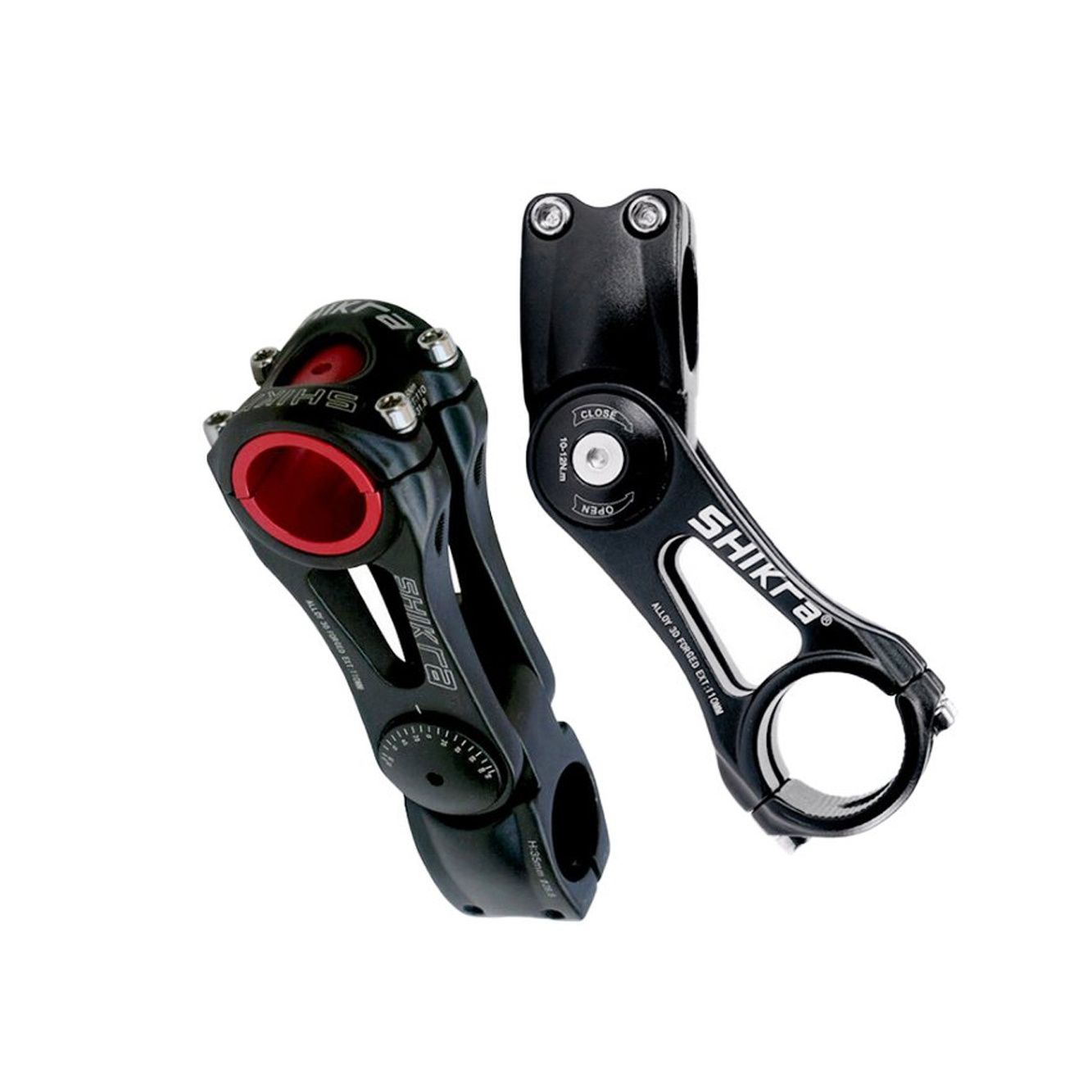
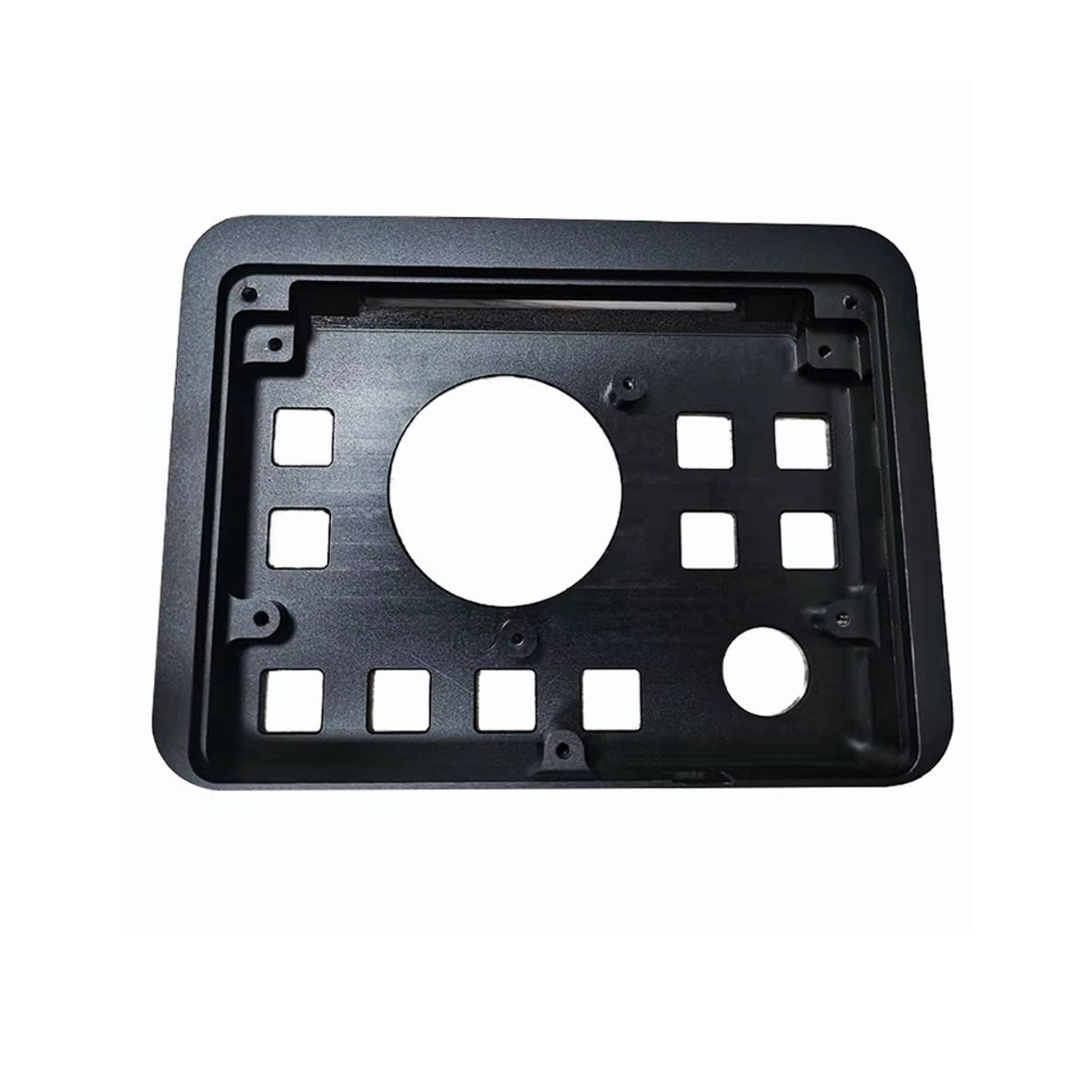


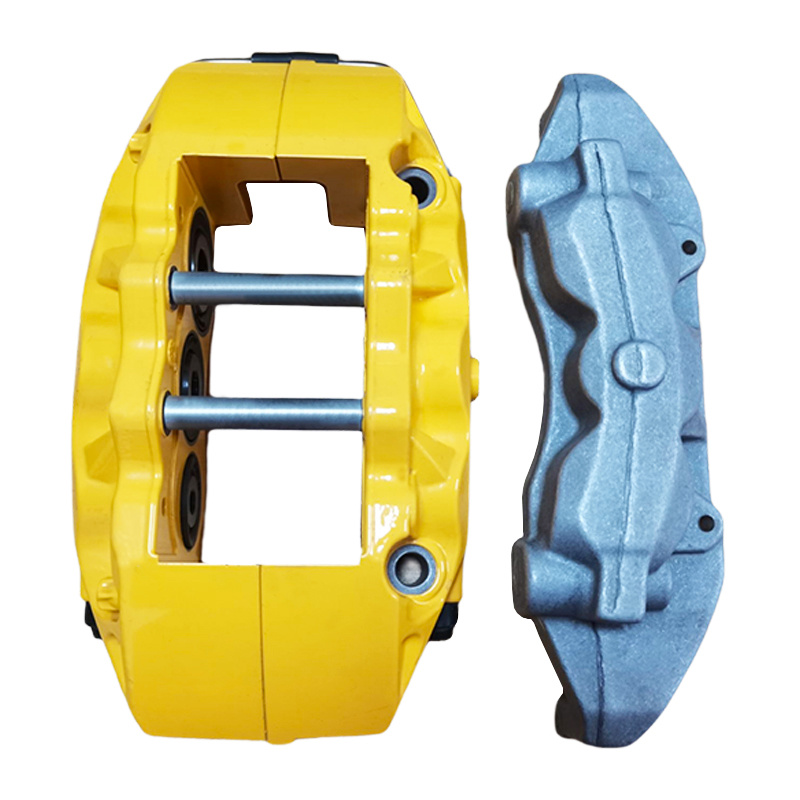

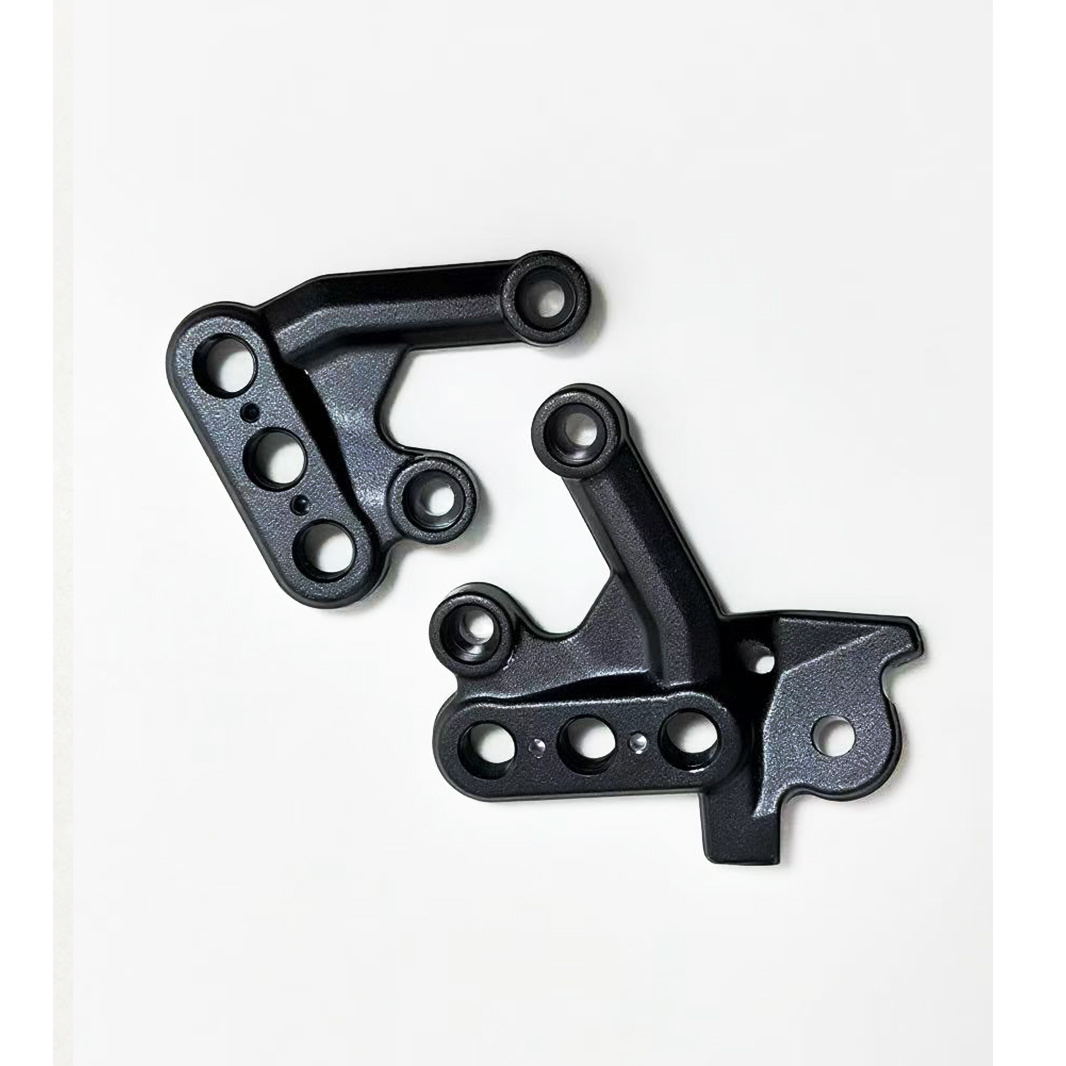
Surface Treatment Industry Applications
LCW has earned global trust through deep expertise in surface treatment. We provide high-performance finishing solutions for critical sectors, including aerospace, automotive, energy, and heavy machinery.
Providing tight-tolerance metal housings and intricate internal parts.
Creating robust gear and structural components designed to withstand extreme environmental conditions.
Machining specialized metallic parts essential for advanced battery brackets and power systems.
Forging and machining complex components that drive efficiency in industrial automation.
Supplying heavy-duty, wear-resistant metal parts for rigorous industrial machinery applications.
Quality Control of Surface Treatment
At LCW, quality is our top priority. We implement rigorous quality control measures throughout the surface treatment process to ensure that every part meets the highest standards of precision and reliability.
In-Process Inspections
LCW adopts a proactive approach by inspecting parts at various production stages. This ensures strict adherence to design specifications and allows us to identify and correct potential issues early.
Final Inspections
Before leaving our facility, every part undergoes a comprehensive final inspection. We verify quality and precision to guarantee that the delivered product meets all required standards.
Precision testing equipment
We use advanced testing equipment, including coordinate measuring machines, 3D testing instruments, flaw detectors, and laser scanners, to maintain strict tolerances.
Quality certification
With a quality management system that complies with ISO 9001, ISO 14001, and IATF 16949 standards, LCW ensures that every part meets industry standards and possesses exceptional quality.
Continuous Improvement
We regularly review our processes to identify areas for enhancement. By investing in the latest technology and staff training, LCW maintains a reputation for innovation and superior quality.
Customer Testimonials
LCW has 20 years of professional experience in surface treatment, with a service network covering major industrial countries worldwide. We firmly believe that genuine customer feedback is the best measure of our professional capabilities.
Liam Carter
Design Lead
LCW’s Small-Batch Production of Aluminum Alloy Seat Tube Clamps provided exceptional Dimensional Accuracy and Surface Finish. Their expert CNC Programming allowed for rapid Locking Mechanism Design verification, avoiding the expense of Mass Production Tooling.
Elena Rostova
Product Manager
LCW’s expert Machining of Copper Alloy Heat Dissipation Contacts ensured stability through precise control of Conductive Materials. Their Small-Batch Production flexibility allowed us to rapidly validate Thermal Designs and meet Urgent Development Cycles.
Kenji Sato
Engineer
We chose LCW for the Machining of Aluminum Alloy Suspension Brackets. Through innovative tooling and Quality Assurance, they achieved precise Tolerance Adherence on Complex Geometries. Their Small-Batch Production enabled rapid verification of Assembly Fitment before committing to Hard Molds.
David O'Connell
Director
We relied on LCW for the Machining of Aluminum Alloy Robotic Arm Joints. Their mastery of High-Speed Milling guaranteed a Burr-Free Finish, while the flexibility of their Small-Batch Production allowed us to efficiently handle Design Variations across different Testing Phases.
Fiona Gallagher
Production Manager
We relied on LCW for the Machining of Copper Alloy Valve Components. Their precision with Soft, Conductive Materials delivered excellent Mechanical Sealing Properties. Through Small-Batch Production, we maintained inventory control while ensuring the high Conductivity and Durability required for Marine Environments.
Thomas Mueller
Director
We relied on LCW for the Machining of Aluminum Alloy Structural Flanges. They mastered Flatness and Bore Precision for Engineering Machinery. Their Small-Batch Production flexibility facilitated rapid responses to Urgent Engineering Changes, delivering trusted Technical Support.
Surface Treatment FAQs
What is surface treatment in manufacturing?
Surface treatment refers to industrial processes used to alter the surface of a manufactured part. Whether mechanical (polishing), chemical (passivation), or electrochemical (anodizing), the goal is to enhance properties like corrosion resistance, wear resistance, hardness, or visual aesthetics.
Does surface treatment affect the dimensions of the part?
Yes. Most surface treatment processes, such as powder coating or plating, add a thin layer of material. Conversely, processes like electropolishing remove material. Engineers must account for these changes in the design phase or request masking for critical high-tolerance features.
What is anodizing and which materials is it suitable for?
Anodizing is an electrochemical surface treatment primarily used for aluminum and titanium. It converts the metal surface into a durable, corrosion-resistant anodic oxide finish. It is widely used to provide scratch resistance, electrical insulation, and vibrant cosmetic coloring.
Why is surface treatment necessary for machined or molded parts?
Raw parts coming off a CNC machine or molding press often have tool marks, sharp edges, or surfaces prone to oxidation. Surface treatment is necessary to protect the material from environmental degradation, enhance surface hardness, reduce friction, and provide a finished, marketable appearance.
What is the difference between Type II and Type III (Hard) Anodizing?
Type II (Standard) anodizing is decorative and provides moderate corrosion protection. Type III (Hard) anodizing creates a much thicker, denser oxide layer. This surface treatment penetrates deep into the material, offering superior wear resistance suitable for industrial machinery components and gears.
What is the difference between mechanical and chemical surface treatment?
Mechanical surface treatment involves physically altering the surface texture, such as sandblasting, brushing, or polishing to remove defects or create a specific roughness. Chemical surface treatment involves a chemical reaction or coating application, such as plating, passivation, or painting, to change the chemical properties of the surface layer.
What is Bead Blasting (Sandblasting)?
Bead blasting is a mechanical surface treatment where abrasive media (glass beads or ceramic) is shot at the part under high pressure. This removes surface deposits, blends tool marks from machining, and creates a uniform matte or satin texture, often used as a pre-treatment for anodizing.
What is Electroless Nickel Plating?
Unlike standard electroplating which relies on current, Electroless Nickel Plating is an auto-catalytic chemical surface treatment. It deposits a uniform layer of nickel-phosphorus alloy across the entire part. It is preferred for complex geometries with deep cavities because the plating thickness remains perfectly consistent.
What is the difference between wet painting and powder coating?
Wet painting is a traditional liquid application offering a high-gloss finish and exact color matching. Powder coating is a dry finishing process where electrostatically charged powder is sprayed and heat-cured. Powder coating is generally more durable, eco-friendly, and resistant to chipping than traditional liquid paint surface treatment.
How do you ensure the quality of the surface treatment?
We employ rigorous testing protocols to validate the surface treatment. This includes salt spray testing to verify corrosion resistance, cross-cut adhesion testing for paints and powder coats, and digital thickness gauges to ensure the coating meets your specified engineering tolerances.
Order Surface Treatment Parts Now
Customers
Processed Parts
The information you provide is strictly confidential and secure

LCW Manufacturing
China
No. 1, Jinyuan 3rd Road, Xinqiao Third Industrial Zone, Shajing, Bao'an District, Shenzhen City, 518100
Contact
1-202-754-5941
Click to copy13418743212
Click to copyforging@lcwcnc.com
Click to copy