
Machined parts ship within 7-15 days. Order your metal machined parts today!


-
-
-
-
Blog Explore our facilities, technology, processes, and more.

-
Products Rigorous quality management processes ensure part consistency.
-
Quality Assurance See how companies used 3ERP services to solve challenges and speed up development.
-
Materials Browse a variety of metal materials to meet your project needs.
-
Manufacturing Guides Explore various manufacturing guidelines and reports.
Resources
-

Precision Manufacturing Solutions for New Energy Components
LCW provides specialized manufacturing solutions tailored to the rapidly evolving new energy industry. utilizing advanced forging and CNC machining processes, we engineer durable battery cooling plate components and inverter housing components. Our expertise extends to processing high-performance materials, including aluminum alloys, to ensure optimal conductivity and strength. From prototyping to mass production, we deliver superior results with fast turnaround times and competitive pricing.
Get Instant QuoteNew Energy Components Manufacturing Processes
LCW delivers comprehensive manufacturing solutions for the new energy sector, committed to upholding rigorous quality standards across every stage of production.
CNC Machining
Forging Machining
Stamping Machining
Hot Forging Machining
Die Forging Machining
Surface Treatment
From Prototype Design to Manufacturing
LCW is your trusted partner for the precision manufacturing of new energy components. Our expert engineering team provides comprehensive solutions from concept design to mass production
Rapid Prototyping
3-5 Day Fast Delivery
Instant Quotation
Highly Competitive Pricing
Small-Batch Production
100% quality inspection
Flexible production planning
Free process optimization suggestions
Mass Production
Product consistency
Cost reduction
First article inspection
Why Partner with LCW for Outdoor Sports Components Manufacturing
LCW possesses extensive expertise in new energy components prototyping and manufacturing. We leverage advanced technologies such as forging and CNC machining to produce parts that meet the most stringent validation and testing standards.
ISO & IATF Certified Quality
Scalable Production Capacity
Comprehensive Range of Services
Short Lead Times
Skilled and Experienced Team
Streamlined Quotation System
Four Steps to Work With Us
LCW provides professional prototyping and mass production solutions for motorcycle parts. We streamline the process into four clear steps, ensuring a smooth progression from concept to finished product using forging and CNC machining.
QC & Shipping
Production
Analysis & Quote
Upload Your Design
Advantages & Features
LCW delivers distinct competitive advantages in the manufacturing of new energy components. We combine speed, precision, and flexibility to meet the rigorous demands of the evolving electric vehicle and renewable energy industries.
High Precision
Quick Turnaround
Comprehensive Material Options
Cost-Effective Solutions
Expert Support
Custom Solutions
Prototyping and Production Solutions for the New Energy Industry
LCW delivers efficient rapid prototyping and customized manufacturing services for new energy components. Our rigorous quality testing ensures the reliability of our solutions. From concept to mass production, we leverage forging and CNC machining to process high-performance aluminum alloys and ensure every component meets required specifications.
Prototyping & Concept Validation
Engineering Validation and Testing (EVT)
Design Validation and Testing (DVT)
Production Validation and Testing (PVT)
Mass Production (MP)
Custom New Energy Components Machining Display
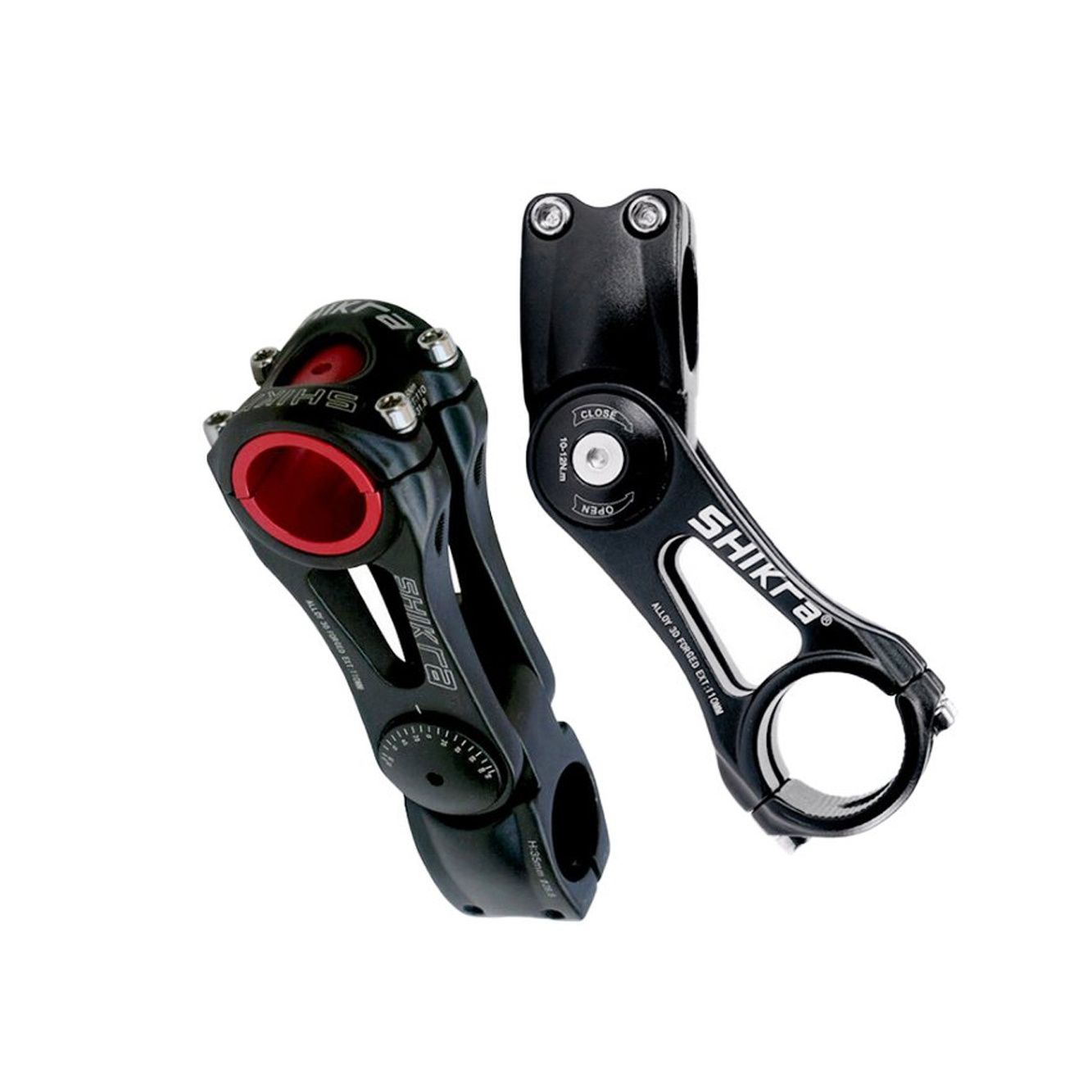
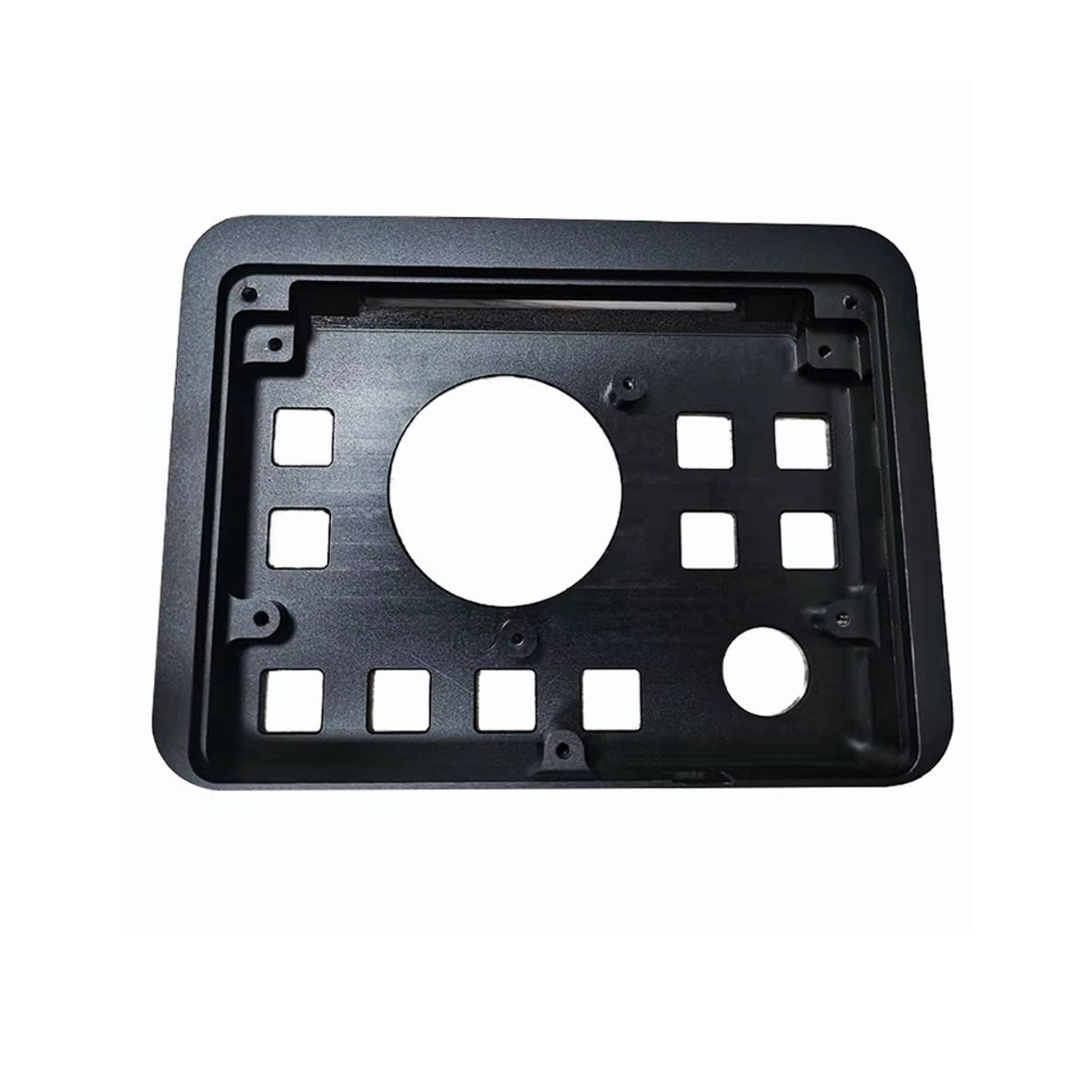
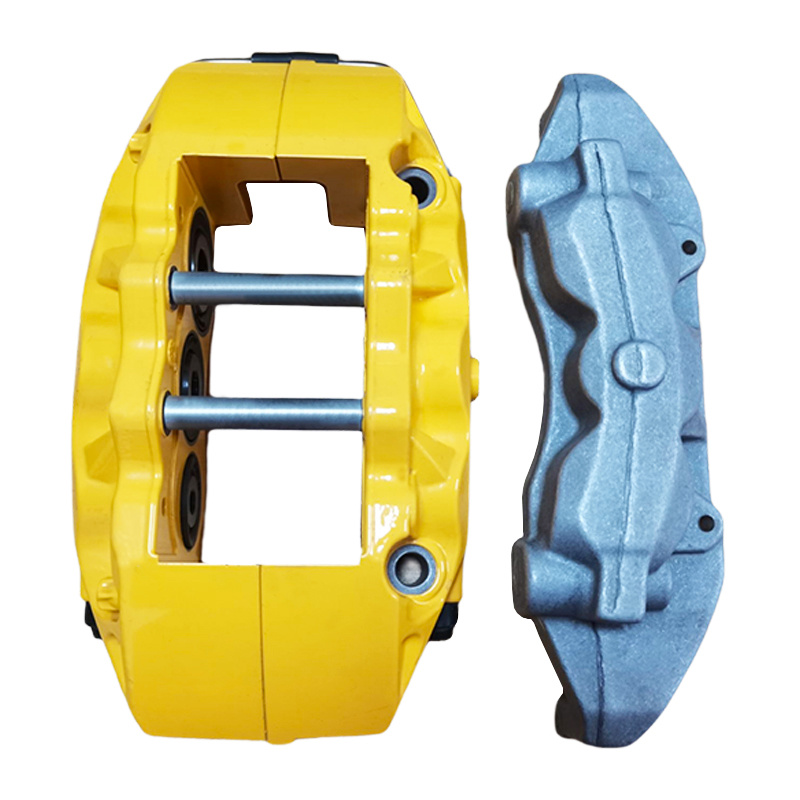
Explore our portfolio of new energy components manufacturing case studies, accumulated over 20 years. These examples showcase the high-precision battery cooling plate components and prototypes we have produced for leading clients using advanced forging and CNC machining technologies to process aluminum alloys.




Materials for New Energy Components Manufacturing
LCW delivers high-precision manufacturing solutions for new energy components through mature technologies like forging and CNC machining. We flexibly process various metal materials to meet the specific and rigorous demands of every renewable energy and EV project.
Aluminum
Materials: 1060, 1050, 1100
Lead Time: 5-7 working days
Tolerance: ±0.05mm
Max Size: 600×500×200mm
Post-Processing: Anodizing, sandblasting, conductive oxidation, nickel plating
Aluminum Alloy
Materials: 7075, 7050, 6061, 6082, 6063
Lead Time: 5-7 working days
Tolerance: ±0.02mm
Max Size: 600×500×200mm
Post-Processing: Hard anodizing, electroless nickel plating, sandblasting, spraying
Copper
Materials: H70, H80, H90, C2600, C2680
Lead Time: 7-10 working days
Tolerance: ±0.03mm
Max Size: 500×400×150mm
Post-Processing: Gold plating, silver plating, passivation, anti-oxidation treatment
Brass
Materials: H62, H65, H68, H90, C2700, C5210
Lead Time: 7-10 working days
Tolerance: ±0.03mm
Max Size: 500×400×150mm
Post-Processing: Chrome plating, antique bronze treatment, polishing, painting
Surface Finishes for New Energy Components
LCW provides professional surface treatments tailored for high-precision new energy components. We enhance corrosion resistance and electrical insulation for parts made via forging and CNC machining, ensuring they meet the rigorous functional and durability demands of the renewable energy and electric vehicle industries.
Anodizing
Applicable Material: Aluminum alloy
Effect: Increased surface hardness, metallic texture, multiple colors
Core Advantages: Strong corrosion resistance, scratch protection, durable aesthetics
Typical Applications: Climbing carabiners, tent poles, flashlight housings, trekking poles
Sandblasting
Applicable Material: Various metals
Effect: Uniform matte texture, high cleanliness
Core Advantages: Improves visual texture, enhances coating adhesion, eliminates processing marks
Typical Applications: Belay devices, camping cookware handles, fishing reel spools
Electroplating
Applicable Material: Various metals
Effect: Uniform dense coating, lasting metallic luster
Core Advantages: Excellent corrosion resistance, high surface hardness, extended life
Typical Applications: Fishing lures, tactical belt buckles, fasteners, decorative hardware
Nickel Plating
Applicable Material: Aluminum and Steel
Effect: Uniform thickness, high hardness
Core Advantages: Strong wear resistance, superior corrosion protection, even coverage
Typical Applications: Multi-tool mechanisms, ski binding internals, stove valves, fishing reel gears
Spraying
Applicable Material: Aluminum and Steel
Effect: Smooth uniform coating, rich color selection
Core Advantages: Long-term corrosion protection, impact resistance, premium appearance
Typical Applications: Snowshoe frames, helmet shells, cooler handles, camp furniture
Case Studies
Our manufacturing services have been successfully utilized in the new energy industry. Here are examples demonstrating our capability to deliver high-quality new energy components tailored to specific needs using forging and CNC machining:

High-Strength Suspension Systems
Project Background: A leading EV brand required robust, lightweight control arms for their vehicle platforms.
Challenge: New energy components in suspension systems must withstand high road shock loads while maintaining minimal weight to maximize driving range.
Solution: We combined forging to align the grain structure for superior strength with precision CNC machining to refine the geometry of aluminum alloys.
Results: Our superior components exceeded expectations, contributing to a 15% improvement in the strength-to-weight ratio.

Precision Electric Drive Units
Project Background: A major powertrain manufacturer needed durable housings for their latest drive units.
Challenge: Parts required exceptional durability to handle high torque stress and thermal fluctuation in high-performance motors.
Solution: We utilized CNC machining to process high-strength aluminum alloys, producing electric motor housing components that resist deformation and fatigue.
Results: The parts improved assembly precision, resulting in a 20% extension of the drive unit's service life.

Battery Structural Systems
Project Background: A battery pack manufacturer needed lightweight, rigid frames for their module assemblies.
Challenge: New energy components for battery packs must be lightweight for energy density without compromising structural integrity during crash impacts.
Solution: We processed aerospace-grade aluminum alloys using CNC machining to create complex battery module end plate components that perfectly balance rigidity and weight.
Result: The upgraded components improved thermal management and structural safety by 10%.

Thermal Management Solutions
Project Background: A renowned inverter provider required high-precision heat sinks for their power electronics.
Challenge: Parts had to ensure absolute heat dissipation efficiency and consistent surface flatness for optimal thermal transfer.
Solution: We manufactured inverter heat sink components from solid blocks of aluminum alloys using CNC machining, ensuring flawless geometry for safety-critical functions.
Results: The high-quality parts enhanced cooling performance, increasing system efficiency and device longevity by 15%.
What Our Clients Say About Us
LCW brings over 20 years of expertise in the CNC machining and forging of high-performance new energy components. We believe that honest client feedback is the ultimate validation of our manufacturing precision.
LCW provided exceptional craftsmanship for our new energy battery bracket components. In the green energy sector, structural reliability is critical. Their team mastered material flow to maximize strength while minimizing weight, utilizing aluminum alloy to maintain strict tolerances even during high-volume forging production runs.
Marcus Reed
Quality Manager
LCW demonstrated immense technical skill in producing lightweight new energy components for our solar tracking systems. Their expertise in CNC machining complex solar mount components using aluminum ensured structural integrity while keeping weight low. Their agility helped us meet crucial project launch timelines.
Elena Vance
Production Supervisor
The manufacturing solution for our new energy inverter housing components was impressive. As a provider of precision power electronics, LCW utilized advanced tooling to process aluminum alloy, significantly increasing fatigue resistance. Their rigorous quality control directly contributes to the superior operational stability of our systems.
Derek Thompson
Engineering Lead
LCW excels in the surface finishing of aesthetic new energy components. Through precise CNC machining and anodizing, our charging station pillar components made of aluminum achieved a premium visual appeal and corrosion resistance. Their team quickly optimized machining parameters to match our distinct texture requirements.
Sarah Jenkins
Manufacturing Manager
LCW showed deep expertise in manufacturing precision new energy busbar components. Their forging and machining of wear-resistant copper alloy parts ensured precise dimensional control for seamless electrical conductivity. Their disciplined production management guarantees the long-term reliability of our power distribution systems.
Victor Chen
Technical Director
LCW delivers consistent quality in custom new energy components for the wind power aftermarket. Their technical approach to processing hydraulic pitch control components using copper optimizes heat dissipation. They provided dependable engineering support, rapidly updating CNC machining programs for urgent turbine design changes.
Natalie Moore
Product Manager
New Energy FAQs
Why are CNC machining and forging essential for new energy components?
Renewable energy systems must operate reliably in extreme outdoor environments for decades. Forging provides the necessary high-strength structural integrity for massive load-bearing parts, while CNC machining delivers the extreme precision and tight tolerances required for highly efficient power conversion and energy storage.
What are common EV (Electric Vehicle) components produced using these methods?
The EV industry relies heavily on these processes to maximize range, performance, and safety. Common EV components include CNC-machined battery casings & enclosures, motor housings, drive shafts, and highly detailed inverter heat sinks used for advanced thermal management.
Which wind turbine parts rely on CNC machining and forging?
Wind energy requires components that can withstand immense aerodynamic forces and heavy mechanical loads. Forging is typically used to create massive wind turbine hubs, main shafts, and heavy-duty gear blanks. CNC machining is then used to refine these parts and to produce precise pitch bearings, gearbox housings, and the large-scale molds used for composite turbine blades.
How are these processes used in the solar energy sector?
Solar installations must endure severe weather and wind shear over a 25-plus-year lifespan. CNC machining is extensively used to manufacture durable solar panel mounting brackets, weather-resistant structural frames, and precise tracking system components that ensure panels remain perfectly aligned with the sun.
What materials are typically machined or forged for new energy systems?
The industry demands specialized materials for efficiency and longevity. Aluminum alloys and titanium are heavily used for lightweighting. Copper alloys are machined for high-conductivity energy storage connectors. Stainless steel is used for structural strength, and advanced superalloys (like Inconel) are used for high-temperature energy generation applications.
Why is "lightweighting" crucial for the new energy industry, and how is it achieved?
Lightweighting directly improves the efficiency of green technology—such as extending an electric vehicle's driving range or reducing the structural load on a wind tower. It is achieved by using precision CNC milling to carefully remove excess material from lightweight metals without compromising the part's structural rigidity or load-bearing capacity.
How does forging benefit hydrogen fuel cell and energy storage systems?
Energy storage and hydrogen applications require parts that can handle extreme internal pressures safely. Forging creates a continuous internal grain structure that eliminates microscopic voids and porosity. This makes it the perfect process for manufacturing high-pressure valves, hydrogen fuel cell plates, and leak-proof structural containment vessels.
What role does 5-axis CNC machining play in renewable energy manufacturing?
A 5-axis CNC machine can manipulate a cutting tool across five different axes simultaneously. This is critical for the new energy sector because it allows manufacturers to efficiently carve highly complex geometries—such as the aerodynamic curves of turbine components or the intricate internal fluid channels of energy recovery modules—in a single, highly accurate setup.
Can CNC machining handle the thermal management needs of high-density battery systems?
Yes. As energy storage systems and EV batteries become more powerful, thermal management is vital to prevent overheating and degradation. CNC machining is the ideal method for producing custom liquid cooling system components and specialized aluminum heat sinks with complex fin geometries that maximize heat dissipation.
How do these processes support the rapid scaling of the clean energy transition?
The shift to clean energy requires both rapid innovation and massive volume. CNC machining allows engineers to quickly create functional prototypes to test new energy system layouts. Once a design is validated, both automated CNC centers and modern forging operations offer incredible repeatability and scalability, ensuring that millions of parts can be mass-produced to the exact same rigorous standards.

LCW Manufacturing
China
No. 1, Jinyuan 3rd Road, Xinqiao Third Industrial Zone, Shajing, Bao'an District, Shenzhen City, 518100
Contact
1-202-754-5941
Click to copy13418743212
Click to copyforging@lcwcnc.com
Click to copy